HEALTH
Vaccinations 101: What Every Pet Owner Should Know

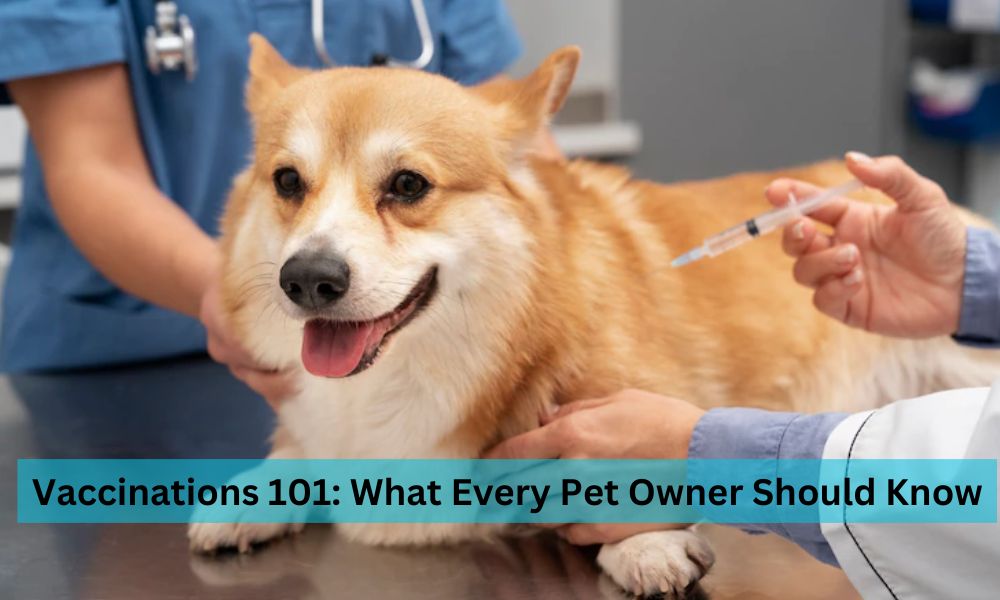

As a pet owner, keeping your furry friend healthy is your top priority. Understanding vaccinations plays a key role in their well-being. At the Richmond veterinary clinic, experts are ready to guide you through the basics. Vaccines protect your pet from dangerous diseases. They help strengthen your pet’s immune system to fight off infections. By vaccinating your pet, you not only safeguard them but also other animals in your community. This creates a safer world for all pets. Start by knowing which vaccines are essential and follow the recommended schedule. Keep records of your pet’s vaccinations. This helps you stay on track and ensures your pet is always protected. Consult with your veterinarian to tailor a vaccination plan that suits your pet’s needs. Remember, prevention is better than cure. Vaccinations are a simple yet powerful way to ensure a long, healthy life for your beloved companion.
Types of Pet Vaccines
Understanding the types of vaccines available helps you make informed decisions. Vaccines fall into two groups: core and non-core.
- Core Vaccines: These are essential for all pets. They protect against diseases that pose a severe risk.
- Non-Core Vaccines: These depend on your pet’s lifestyle, location, and health status.
Core Vaccines for Dogs and Cats
Knowing which core vaccines are necessary can prevent life-threatening diseases.
| Dog Vaccines | Cat Vaccines |
| Rabies | Rabies |
| Distemper | Feline Calicivirus |
| Parvovirus | Feline Panleukopenia |
| Adenovirus | Feline Herpesvirus |
Why Core Vaccines Matter
Core vaccines prevent common diseases. Rabies is fatal to both people and pets. Distemper, parvovirus, and adenovirus can cause severe illness in dogs. In cats, calicivirus, panleukopenia, and herpesvirus lead to serious health issues.
Non-Core Vaccines to Consider
Non-core vaccines depend on your pet’s unique lifestyle. If your dog loves the outdoors, consider vaccines for Lyme disease and Leptospirosis. Cats that roam outside may need protection against Feline Leukemia. Discuss your pet’s daily routine with your vet to determine the right non-core vaccines.
Benefits of Vaccination
Vaccination offers peace of mind. It reduces the risk of disease spread and lowers treatment costs. Vaccines boost your pet’s immunity, making them less likely to fall ill. Healthy pets mean fewer vet visits and more joy in your life.
Common Side Effects
Most pets experience mild side effects like soreness or mild fever. These symptoms usually pass quickly. In rare cases, pets may have an allergic reaction. Contact your vet if you notice any unusual behavior or symptoms after vaccination.
Vaccination Schedule
Follow a vaccination schedule to ensure your pet’s protection. Puppies and kittens need a series of vaccines starting at six to eight weeks old. Adult pets require booster shots. A typical schedule includes:
- Puppies: Vaccines every 3-4 weeks until 16 weeks old.
- Kittens: Vaccines every 3-4 weeks until 16 weeks old.
- Adult Dogs and Cats: Annual or triennial boosters based on vet advice.
Consult the American Veterinary Medical Association for detailed guidelines.
Communicating with Your Vet
Regular communication with your vet ensures your pet receives the best care. Share your pet’s health history and any concerns you have about vaccines. Your vet will create a personalized vaccination plan for your pet. This cooperation keeps your pet healthy and safe.
Conclusion
Vaccinations are essential in protecting your pet’s health. They prevent serious diseases and contribute to a safe community. Keep track of your pet’s vaccination schedule and consult your veterinarian for guidance. By doing so, you provide your pet with a strong foundation for a happy, healthy life.