
HEALTH
5 Common Myths About Holistic Dentistry Debunked

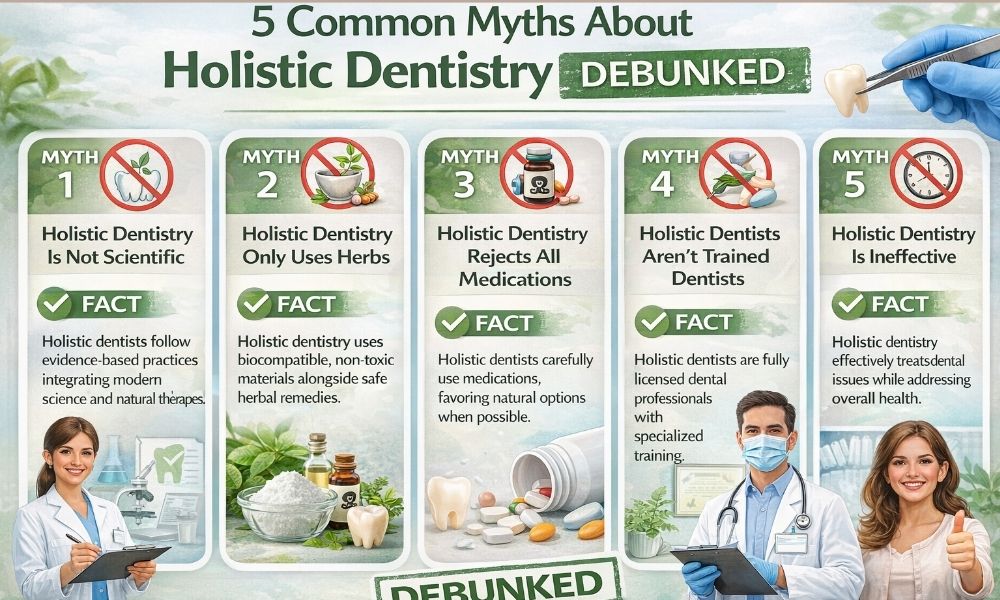
Holistic dentistry raises strong feelings. You may hear bold claims that sound comforting or frightening. Some sound true. Many are not. This confusion can stop you from getting care that fits your needs and values. It can also push you toward choices that quietly harm your health or your wallet. You deserve clear answers. This blog breaks down five common myths about holistic dentistry and shows what is fact and what is fiction. You will see how a holistic dentist in Santa Rosa approaches safety, fillings, X‑rays, and whole‑body health. You will also learn what questions to ask before you trust any office with your mouth. By the end, you can spot false promises, protect yourself from pressure, and choose dental care that feels honest and steady.
Myth 1: “Holistic dentistry is not based on science”
Some people say holistic care ignores science. That claim is false. Good holistic dentists use the same core science as every licensed dentist. They still train in anatomy, disease, and treatment. They must also pass the same exams.
The difference rests in focus. Many holistic dentists look at how mouth health links with the rest of the body. They may spend more time on prevention and patient choice. They may also use extra methods, such as nutrition counseling or different filling options.
Science supports the link between mouth health and the body. For example, gum disease is linked to heart disease and diabetes.
When you judge any dentist, ask three clear questions.
- Do you explain risks and benefits in plain language
- Do you use treatments backed by solid research
- Do you share written information or trusted links
These questions cut through labels and show how much the office respects science and your safety.
Myth 2: “Holistic means no X‑rays ever”
You may hear that holistic dentists never use X‑rays. That claim is also false. X‑rays let dentists see decay between teeth, bone loss, infections, and some tumors. Without them, serious problems can stay hidden. That silence can lead to pain, tooth loss, or even hospital stays.
Radiation from dental X‑rays is small. Modern digital systems use even less. The Food and Drug Administration explains that dental X‑rays are safe when used only when needed and with simple steps, such as lead aprons and thyroid collars.
A careful, holistic dentist usually follows three rules.
- Use X‑rays only when they change treatment
- Use the lowest exposure that still gives a clear image
- Store and compare images over time to avoid repeats
You can ask how often they suggest X‑rays for adults and for children. You can also ask if they use digital X‑rays and what shields they use. Clear answers show respect for your health and your trust.
Myth 3: “All metal fillings are toxic”
This myth feeds fear. Many people feel upset when they hear that old silver fillings, called amalgam, contain mercury. The word alone stirs worry. Yet context matters. In its set form, dental amalgam is stable for many patients. The FDA states that amalgam is safe for most adults and children over six years old. Some groups may face more risk, such as pregnant people or those with certain health conditions.
Holistic dentists often choose not to place new amalgam fillings. They may prefer tooth colored materials. Some also offer removal of old amalgam fillings. That choice needs careful thought. Removal can release more mercury for a short time. It also removes healthy tooth structure. Poor removal can cause cracks or infection.
You deserve clear facts. Here is a simple comparison.
| Filling type | Common benefits | Common limits |
|---|---|---|
| Amalgam (silver) | Strong. Often lasts many years. Lower cost. | Dark color. Contains mercury. Needs more tooth removal. |
| Composite (tooth colored) | Matches tooth color. Bonds to the tooth. Mercury-free. | May wear faster in large fillings. Can cost more. |
| Ceramic / porcelain | Very strong. Natural look. Stain resistant. | Higher cost. Often needs more than one visit. |
Ask your dentist three things before changing fillings.
- Is there a clear medical reason to replace this filling?
- What are the risks of removal for this tooth
- What material fits my mouth, habits, and budget
Myth 4: “Natural products are always safer”
Many holistic offices use natural products. That choice can feel comforting. Yet the word “natural” does not mean safe or effective. Tobacco is natural. Poison ivy is natural. You would not put either in your mouth on purpose.
Toothpastes, rinses, and supplements can help or harm. Some natural powders are rough and can wear down enamel. Some oils can upset the stomach if swallowed. Some herbs can affect blood thinners or other drugs.
Before you use any new product, ask three questions.
- Is there solid research in humans that shows it works
- What are the known side effects or drug links
- What does my medical or dental team think about it
Children need special care. Their teeth and bodies respond faster. Keep all products out of reach. Use only a pea-sized amount of toothpaste for children who can spit. For younger children, use a smear the size of a grain of rice if fluoride toothpaste is used.
Myth 5: “Holistic dentistry replaces regular dental care”
Some people hear that holistic care removes the need for cleanings, fillings, or root canals. That belief sets people up for quiet damage. Food, bacteria, and time still affect teeth and gums. No special oil, vitamin, or mouthwash can fully replace brushing, flossing, and cleanings.
Holistic care can add useful pieces. It can place more weight on sleep, stress, and food. It can respect your fears and your values. It can also support slow, thoughtful choices. Yet it still must include core steps.
- Regular checkups and cleanings
- Prompt treatment of cavities and infections
- Clear plans for gum disease
Ask any holistic dentist how often they suggest visits. Also, ask how they handle emergencies, infections, and severe pain. A responsible answer will include quick care, not only natural supports.
How to choose a safe holistic dentist
Labels can mislead. Focus on actions. When you meet a dentist, notice three things.
- They listen to your story and your fears
- They explain options, risks, and costs in plain words
- They respect your choice without pressure or shame
You can also check licenses and any complaints with your state dental board. Look for clean, organized rooms. Ask how they clean tools. Ask what they do if something goes wrong during treatment.
Holistic dentistry can support strong, steady health when it rests on science, clear talk, and respect. You have a right to care that honors your body, your values, and your safety at the same time.
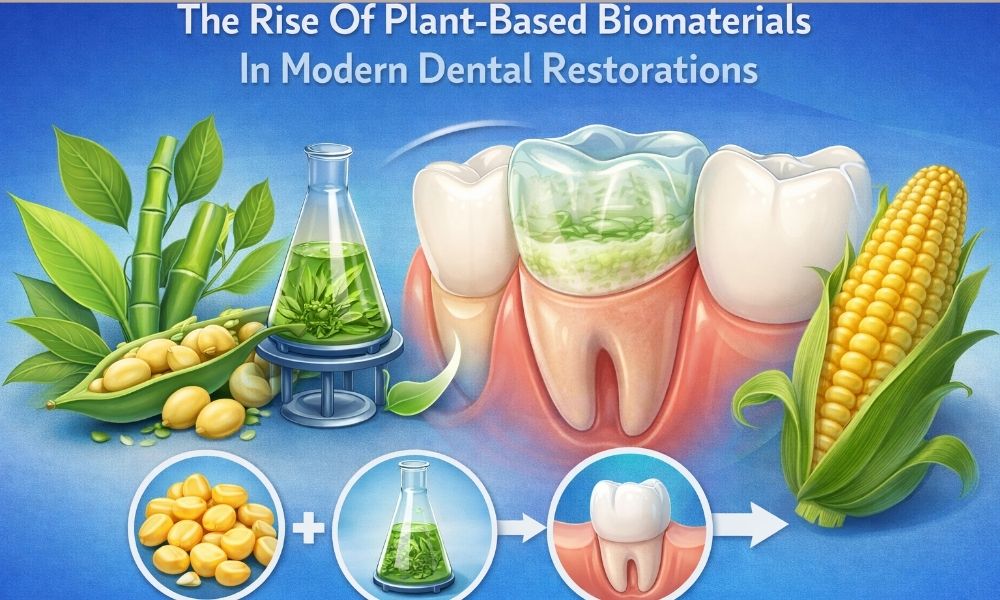
You see more people asking for care that respects the body and the planet. Dentistry is changing with them. Plant‑based biomaterials now shape fillings, crowns, and other restorations that used to rely only on metal or plastic. These new materials come from natural fibers, starches, and plant oils. They support strong, lasting repairs while reducing chemical burden. They also help lower waste and dependence on fossil fuels. This shift is not a trend. It reflects new science, new patient expectations, and new laws. You may already notice it during routine visits or while searching for general dentistry in Riverside. You might wonder if plant‑based options are safe, how long they last, and whether they cost more. You deserve clear answers. This blog explains what these materials are, how they work in your mouth, and what you should ask your dentist before you choose them.
What plant‑based biomaterials are in dentistry
Plant‑based biomaterials come from renewable sources such as:
- Wood and bamboo fibers
- Corn and potato starches
- Plant oils such as castor or soybean oil
Manufacturers combine these with safe fillers and glass particles. They create resins and composites that work like standard tooth‑colored materials. You still get a hard, polishable surface. You still get a color that matches your teeth. You just rely less on fossil fuel plastics.
Researchers test these materials in the lab and in clinics. They check strength, wear, and bonding to tooth structure. They also measure how the material behaves in saliva and under chewing forces. The goal is simple. You need a restoration that feels normal, looks natural, and lasts.
How plant‑based options compare with traditional materials
You can think about three needs. You want safety. You want strength. You want comfort. Plant‑based biomaterials try to balance all three while also reducing environmental strain.
Comparison of common dental restoration materials
| Feature | Traditional metal amalgam | Conventional composite resin | Plant‑based composite resin
|
|---|---|---|---|
| Main content | Metals such as silver and mercury | Petroleum‑based resin with glass | Plant‑derived resin with glass |
| Color match | Poor | Good | Good |
| Tooth removal needed | More | Less | Less |
| Average service life | 10 to 15 years | 5 to 10 years | Similar to composite, still under study |
| Mercury content | Yes | No | No |
| Use of fossil fuel plastics | Low | High | Reduced |
| Insurance coverage | Common | Common | Growing, ask your plan |
The science on plant‑based composites grows each year. Early data suggest performance close to standard composites for small and medium fillings. Larger restorations still depend on ceramics or metal in many cases.
Safety and testing
You have a right to know what goes in your body. Plant‑based does not always mean harmless. Each product must pass safety checks before use.
The United States Food and Drug Administration explains how dental materials are reviewed through its medical device program.
Tests focus on three questions.
- Does the material irritate mouth tissues
- Does it release harmful substances over time
- Does it break down in ways that affect health
Plant‑based biomaterials must meet the same safety rules as other dental products. Some patients still react to certain ingredients, such as residual monomers or plant proteins. You should share any history of allergies with your dentist before treatment.
Benefits for you and your family
Plant‑based dental materials may give you:
- Less exposure to certain metals and some chemicals
- Good match to natural tooth color
- Repairs that keep more healthy tooth structure
- Support for lower clinic waste and cleaner disposal
Parents often ask about fillings for children. You can ask if a plant‑based option is suitable for baby teeth or young permanent teeth. You can also ask how long the restoration is expected to last and how it can be repaired if it chips.
Limits and honest trade‑offs
No material is perfect. Plant‑based composites face limits.
- They may cost more in some offices
- They may not yet match the strength of ceramics for large back‑tooth restorations
- They may have less long‑term data than older materials
Your dentist weighs bite forces, tooth location, and your cavity risk. A plant‑based filling might suit a front tooth. A crown on a heavily used molar might still need ceramic or metal. Clear talk about these trade‑offs builds trust and prevents surprise repairs.
Questions to ask your dentist
Before you choose any restoration, you can ask three simple questions.
- What materials do you plan to use and why
- Are plant‑based options available for my tooth?
- How long should this restoration last if I keep up home care
You can also ask for written information. Many offices rely on evidence from sources such as the National Institute of Dental and Craniofacial Research.
How to support your restoration at home
Material choice matters. Daily care matters more. To protect any filling or crown, you should:
- Brush twice a day with fluoride toothpaste
- Clean between teeth each day with floss or another tool
- Limit sweet drinks and snacks to mealtimes
- Wear a night guard if you grind your teeth
- Keep regular checkups and cleanings
These habits help every type of restoration last longer. They also reduce the need for new work. That saves time, money, and stress for your family.
Moving forward with clear choice
Plant‑based biomaterials in dentistry reflect respect for both human health and the environment. You do not need to accept or reject them on faith. You can ask clear questions, review trusted sources, and weigh your own comfort. When you understand your options, you can choose care that matches your values and protects your smile.
Teen years can feel harsh. Appearance suddenly carries weight at school, on social media, and in every photo. You may hear your teen ask for whiter teeth, straighter teeth, or a perfect smile. You want to support confidence. You also worry about safety, cost, and long-term impact. A family dentist can steady this tension. A trusted dentist in Southwest Charlotte listens to your teen, explains options in plain language, and sets clear limits when a request could harm health. First, a family dentist checks how your teen’s mouth is still growing. Next, they sort out what is safe now and what should wait. Finally, they help your teen see that a strong, clean mouth matters more than a trend. This guidance protects teeth and shields your teen from rushed choices that can leave regret.
Why teen cosmetic choices feel so intense
Cosmetic choices hit hard during middle and high school. Your teen faces constant photos, comments, and quiet judgment. A small chip or stain can feel huge.
Teens often care about three things.
- Fitting in with peers
- Hiding what feels flawed
- Gaining control over their image
You may see the bigger picture. You think about health, money, and long-term results. That gap can lead to fights. A family dentist steps in as a calm guide. They respect your teen’s feelings. They also protect the mouth that must last a lifetime.
How dentists judge if a teen is ready
A teen mouth is still changing. The roots keep forming. The jaw can still grow. This growth affects which cosmetic choices are safe or risky.
A family dentist reviews three key points.
- Growth stage of teeth and jaw
- Current oral health, including cavities or gum disease
- Daily habits such as brushing, diet, and sports
The dentist often starts with a full exam and X-rays. They look for hidden decay, thin enamel, or early gum problems. They also ask direct questions about grinding, clenching, and sports contact. This review shapes what is wise now and what needs time.
Common teen cosmetic requests
Many teens ask the same questions. You may hear these at home.
- Can I bleach my teeth
- Can I get clear aligners instead of braces
- Can we fix this chipped tooth fast
- Can I get veneers like celebrities
A family dentist sorts these into three groups. Some are safe with limits. Some are helpful but need planning. Others are too harsh for a growing mouth.
What is usually safe with care
Research from the National Institute of Dental and Craniofacial Research supports simple steps to protect and improve teen smiles. Many dentists support these choices when teeth and gums are healthy.
- Professional cleanings. Remove stains and plaque that dull the smile.
- Fluoride and sealants. Guard against decay while improving look and feel.
- Orthodontic treatment. Align teeth for health and appearance.
These choices focus on strength, not quick fixes. They build a base for any later cosmetic work.
What may need a delay
Some treatments can help, but you may need to wait for full growth.
- Intense whitening on young enamel
- Large fillings on front teeth that still move
- Minor reshaping that could expose thin enamel
The dentist explains the tradeoffs in clear terms. They may say yes, but with a slow plan and frequent checks.
What is usually too harsh for teens
Family dentists often warn against cosmetic steps that remove healthy tooth structure from teens.
- Porcelain veneers on many front teeth
- Full crowns only for looks
- Repeated online whitening kits without exams
These choices can create a cycle of repair. Each new fix removes more tooth. That cycle can lead to root canals and early tooth loss. The dentist explains this in simple language so your teen hears the risk.
Comparing common teen cosmetic options
| Treatment | Typical teen purpose | Pros | Concerns | Common dentist guidance
|
|---|---|---|---|---|
| Professional whitening | Whiter smile for photos | Fast color change under supervision | Sensitivity if overused | Use mild strength and limit sessions |
| Store whitening kits | Cheap whitening at home | Easy to buy | Uneven results and gum irritation | Use only after dentist review |
| Orthodontic braces | Straight teeth and bite fix | Improves health and look | Needs strong daily care | Common and often encouraged |
| Clear aligners | Straighter teeth with less notice | Removable and subtle | Needs high wear time | Good for responsible teens |
| Veneers | Change shape and color fast | Strong change in look | Permanent enamel loss | Usually not right for teens |
How dentists talk with teens about risk and pressure
Teens often feel shame when they smile. They scroll through edited photos and compare. A steady dentist names this pressure. They explain that many images are filtered. They stress that health comes first.
A good visit should include three talks.
- The teen speaks without interruption
- The parent shares worries and limits
- The dentist gives clear options and reasons
This shared talk helps your teen feel heard. It also makes it easier to accept when the dentist says no to a harsh treatment.
Setting rules at home with dental support
You do not stand alone. You can lean on your dentist when you set rules.
Consider three home rules.
- No cosmetic work without a dental exam
- Whitening only under dentist care
- Strong daily brushing and flossing before any cosmetic request
You can point to clear facts from trusted sources such as the Centers for Disease Control and Prevention’s oral health data. These facts show that brushing with fluoride, flossing, and regular cleanings prevent pain and costly repairs. That proof can cut through social media claims.
Helping your teen choose confidence over trends
Cosmetic choices for teens are not simple. You want your teen to feel proud. You also want to protect their future mouth. A family dentist bridges that gap. They weigh growth, science, and emotion. They support your teen when a safe change is possible. They stand firm when a request puts health at risk. With that support, you can guide your teen toward choices that build strength, comfort, and quiet confidence that lasts.
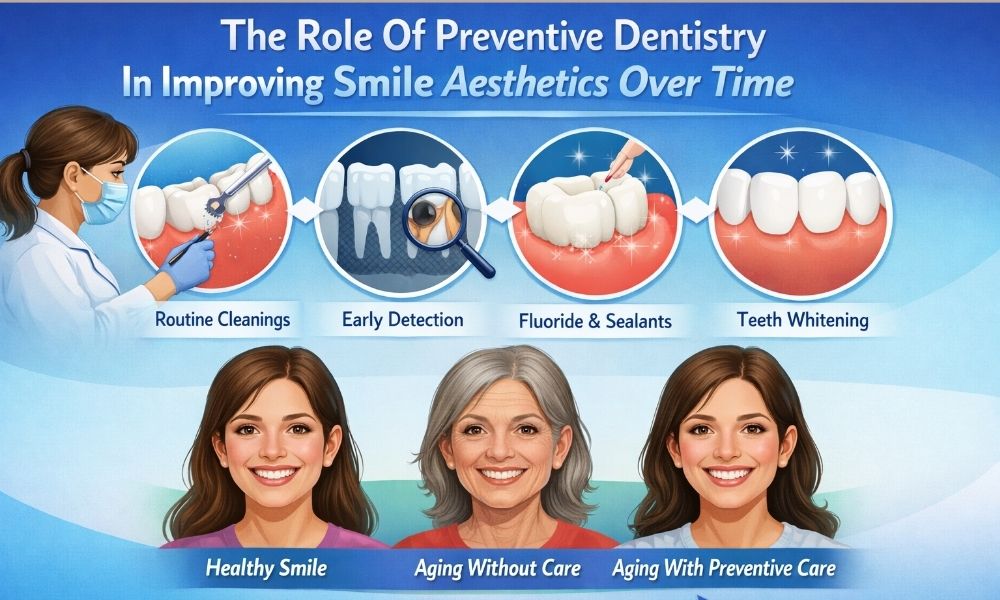
Your smile changes as you age. Teeth darken. Gums recede. Small chips and stains build up. These shifts can leave you feeling exposed in photos and quiet in conversation. Preventive dentistry stops many of these changes before they show. Regular cleanings, simple exams, and early treatment protect how your smile looks and feels. They also protect how you feel about yourself. A Ludlow, MA family dentist can watch for small signs of wear, grinding, and gum disease. Then they can act early. Over time, this steady care keeps teeth brighter, edges smoother, and gums even. It also reduces the need for large repairs that can change the shape of your smile. This blog explains how preventive visits, home care, and smart choices work together to guard your appearance. It shows how small steps today protect the smile you want years from now.
Why prevention shapes how your smile looks
You often hear that prevention protects health. It also shapes appearance. Many common “cosmetic” problems start as preventable issues. Stains, chips, gaps, and uneven gums often grow from plaque, grinding, or infection that sits too long.
When you stop problems early, you keep more natural teeth and gums. You also keep your own tooth color and shape for longer. That means less need for crowns, root canals, or extractions that can change your face and smile line.
Three simple truths guide preventive care for appearance.
- Clean teeth reflect more light. That creates a brighter look.
- Healthy gums frame teeth. That creates a smooth line when you smile.
- Strong enamel resists wear. That keeps edges even and balanced.
Daily habits that protect smile aesthetics
You control much of how your smile ages. Small habits each day protect color, shape, and gum position.
- Brush twice a day. Use a soft brush and fluoride paste. Focus on the gumline. This removes plaque that stains and weakens enamel.
- Clean between teeth. Use floss or interdental brushes. Food stuck between teeth feeds bacteria that cause dark spots and puffy gums.
- Limit sugary drinks. Sipping soda, sports drinks, or sweet coffee throughout the day coats teeth in sugar and acid. That roughens enamel and dulls color.
- Drink water often. Water rinses away food and keeps your mouth moist. Saliva protects teeth from decay.
- Avoid tobacco. Smoking and chewing tobacco stain teeth, dry the mouth, and speed gum loss.
The Centers for Disease Control and Prevention explains how brushing and flossing prevent decay and gum disease that harm both health and appearance. You can read more at the CDC oral health page here https://www.cdc.gov/.
How regular cleanings support a better looking smile
Home care cannot remove hardened tartar. That buildup traps stain and makes gums swell. Professional cleanings reach these deposits and polish teeth.
During a cleaning, the dental team will:
- Remove tartar that holds dark stain near the gums
- Polish teeth to smooth small rough spots that catch color
- Check for early cavities and worn edges
- Measure gum pockets to catch early gum disease
These steps keep your smile clear and your gumline even. They also prevent sudden changes like a broken tooth or infected root that can distort your smile shape.
Preventive care versus delayed treatment
When you compare steady checkups to waiting for pain, the difference in appearance over time is sharp. The table below shows common outcomes.
| Care pattern | Typical result after 10 years | Effect on smile aesthetics
|
|---|---|---|
| Regular exams and cleanings every 6 months | Few small fillings. Stable gums. Most enamel intact. | Natural tooth shape. Even gumline. Mild, even color change. |
| Irregular visits. Treatment only when in pain | Large fillings. Crowns or extractions. Bone loss in spots. | Uneven tooth size. Gaps or missing teeth. Noticeable color and gum loss. |
| No routine care | Advanced decay. Loose teeth. Multiple extractions. | Collapsed bite. Sunken cheeks. Smile often hidden. |
These paths are common. They are not fate. Regular preventive care moves you toward the first column. That choice protects how you look and how you feel in social moments.
Protecting gums to protect your smile line
Gums shape the “frame” of your teeth. When they pull back, their teeth look longer and darker. When they swell, they look short and crowded.
You can protect your gumline through three steps.
- Clean gently at the gum edge. Hard scrubbing can wear the gums away.
- Treat early bleeding. Bleeding is often a sign of infection, not “normal.”
- Control health conditions like diabetes with medical support.
The National Institute of Dental and Craniofacial Research explains how gum disease harms both health and appearance. You can learn more at https://www.nidcr.nih.gov/health-info/gum-disease.
Grinding, wear, and long-term tooth shape
Many people grind or clench at night. You may not feel it. Over the years, grinding flattens edges, chips corners, and shortens teeth. That can make your smile look harsh or uneven.
During a preventive visit, the dentist can look for:
- Flat or thin edges on front teeth
- Small fractures at the corners
- Jaw muscle tenderness
If grinding is present, a simple night guard can protect your teeth. This small step can prevent large repairs later and keep your natural tooth shape longer.
When preventive care reduces the need for cosmetic work
Cosmetic treatments like whitening, bonding, and veneers can change how a smile looks. Still, many people seek these treatments to fix damage that slow prevention could have avoided.
Preventive care often:
- Reduces deep staining, so whitening needs fewer touch-ups
- Prevents chips that would need bonding
- Keeps teeth aligned enough that only minor adjustments are needed
You may still choose cosmetic care. Yet you are more likely to need less treatment. You also keep more natural tooth, which looks and feels more real than any material.
Simple steps you can take this year
You can start protecting your smile appearance today. Three actions matter most.
- Schedule a preventive visit. Ask for a clear plan that covers cleaning, X-rays when needed, and a review of your daily habits.
- Set a daily routine. Brush twice, clean between teeth once, and drink water throughout the day.
- Watch for small changes. Notice new stains, chips, or bleeding. Call early instead of waiting.
Your smile does not change overnight. It shifts through many small moments. Preventive dentistry uses those same small moments to protect you. With steady care from home and support from a trusted team, you can keep a clear, natural smile that feels safe to share at every age.

4 Cosmetic Dental Services That Blend Function With Aesthetics

5 Common Myths About Holistic Dentistry Debunked

The Rise Of Plant‑Based Biomaterials In Modern Dental Restorations

Linda Susan Agar: A Visionary Leader Shaping the Future of the Technology Industry 2024

eCrypto1.com Crypto Wallets: The Ultimate Guide to Secure and Efficient Cryptocurrency Storage 2025

The Life and Legacy of Harlow Andrus: A Journey of Heritage and Inspiration 2024
-
 CELEBRITY1 year ago
Linda Susan Agar: A Visionary Leader Shaping the Future of the Technology Industry 2024
-
 CRYPTO1 year ago
eCrypto1.com Crypto Wallets: The Ultimate Guide to Secure and Efficient Cryptocurrency Storage 2025
-
 CELEBRITY1 year ago
The Life and Legacy of Harlow Andrus: A Journey of Heritage and Inspiration 2024
-

 CELEBRITY1 year ago
The Viral “Emiru Handbra” Moment: How It Became a Stunning Social Media Sensation in 2024
-

 FASHION1 year ago
Make1M.com Luxury Watches: Timeless Elegance Meets Financial Freedom
-

 FASHION1 year ago
McKinzie Valdez: Journey from Social Media Star to Entrepreneur 2024
-

 CELEBRITY1 year ago
Matt Danzeisen: The Quiet Yet Powerful Figure Behind Peter Thiel’s Success 2024
-

 CELEBRITY1 year ago
Deja Jackson, Ice Cube’s daughter, basketball career, biography 2024