
HEALTH
Why Advanced Technology Is Changing Periodontics And Implant Dentistry

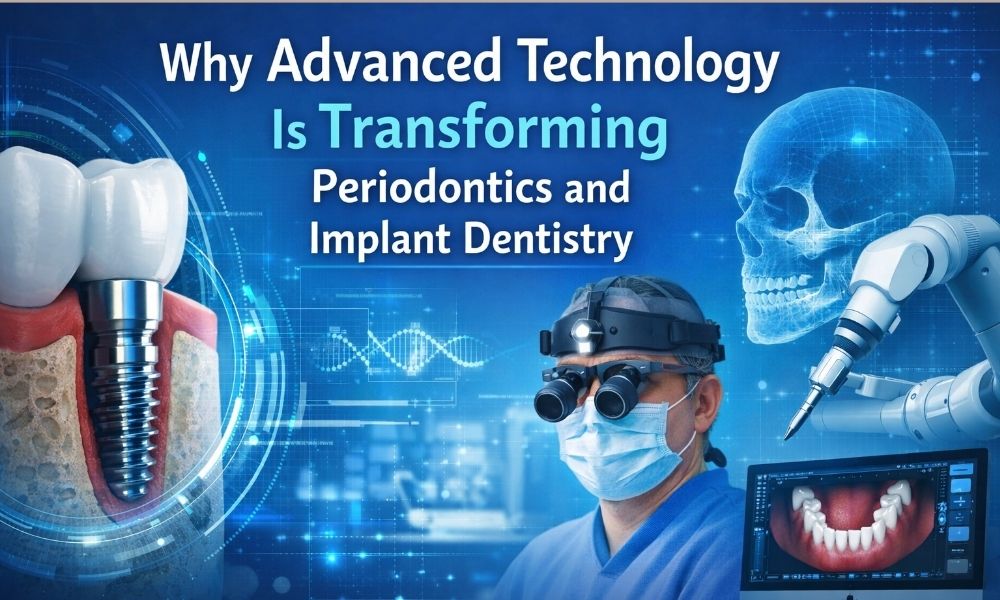
Advanced technology is changing how you protect your gums, teeth, and implants. It is not science fiction. It is real care that you can feel in the chair. Today your periodontist uses digital scans, 3D images, and precise tools to see hidden damage, plan treatment, and protect healthy tissue. This means smaller wounds. It also means less pain and quicker healing. It can even lower your fear of treatment. You get answers on the screen in front of you. You see what is wrong and what will happen next. That kind of clarity builds trust. It also helps you act before small problems turn into tooth loss. If you see a periodontist Long Island or anywhere else, you should know how this new care works. It affects your choices, your comfort, and the strength of your smile for the rest of your life.
From guesswork to clear pictures
In the past, your gum and implant care relied on flat X‑rays and what the eye could see. Today, new images give your periodontist a full picture of your mouth.
- 3D cone beam scans show bone height and width.
- Digital X‑rays use less radiation and show fine detail.
- Intraoral cameras let you see cracked fillings, plaque, and gum changes.
These tools help your dentist find bone loss and infection early. That leads to smaller treatments and more saved teeth. The National Institute of Dental and Craniofacial Research explains that gum disease often stays silent until it is advanced. Clear images pull that hidden damage into view before you feel it.
How technology changes your visit
New tools do not just help the dentist. They change your whole visit.
- You spend less time in the chair because planning is faster.
- You face fewer repeat visits because the plan is more exact.
- You feel calmer because you can see and understand each step.
First, your dentist scans your mouth. Next, the computer builds a 3D model. Then the team uses that model to place implants and treat gum pockets with more care. Each step aims to protect healthy bone and soft tissue.
Guided implant surgery and planning
Implant care has changed in three key ways.
- Digital planning sets the exact spot, angle, and depth of each implant.
- Surgical guides work like a stencil that directs the drill.
- Custom parts are shaped on a computer for your bite and bone.
This kind of planning lowers the risk of hitting nerves or sinuses. It also helps your implant line up with your other teeth. That improves chewing. It also makes cleaning around the implant easier, which protects it from gum infection.
Lasers and gentle gum care
Lasers now support many gum treatments. Your periodontist can use focused light to remove infected tissue and clean bacteria from pockets around teeth or implants.
Here is a simple comparison.
| Treatment type | Traditional gum surgery | Laser assisted gum treatment
|
|---|---|---|
| Cutting | Scalpel cuts the gum | Light energy targets diseased tissue |
| Stitches | Often needed | Often fewer or none |
| Bleeding | More bleeding | Less bleeding |
| Healing time | Longer recovery | Shorter recovery |
| Comfort | More soreness after care | Less soreness after care |
Every month is different. Still, many patients report that laser visits feel easier to manage. That helps you stay on track with needed gum care instead of putting it off.
Digital models and same day teeth
New scanners and design software also change how crowns and implant teeth are made.
- Your teeth are scanned instead of pressed into trays.
- A computer designs the crown or bridge on the screen.
- A milling machine shapes the tooth from a solid block.
In some offices, you can go home with a new tooth on the same day. Even when that is not possible, the fit is more exact. That limits sore spots, food traps, and broken edges. A better fit means easier brushing and flossing. That protects the gums around your implants and natural teeth.
Safer care through data and prevention
Technology also supports prevention and safety. Digital records track pocket depths, bone levels, and medical risks. That helps your dentist spot patterns and react early.
For example, if your records show diabetes and deep pockets, your dentist can plan closer checks. The Centers for Disease Control and Prevention links gum disease to long-term health problems. Early action protects more than your smile. It also supports your general health.
What this means for your family
These changes matter for every age.
- Children gain early checks for crowded teeth and gum issues.
- Adults get stronger options to save teeth and place implants.
- Older adults gain stable teeth for clear speech and safe chewing.
Advanced tools cannot replace brushing, flossing, and cleanings. They do give your dentist more power to help you keep your teeth and implants strong. When you ask about treatment, request clear images and simple words. You deserve to see what your dentist sees. That shared view can guide steady choices that protect your smile for many years.
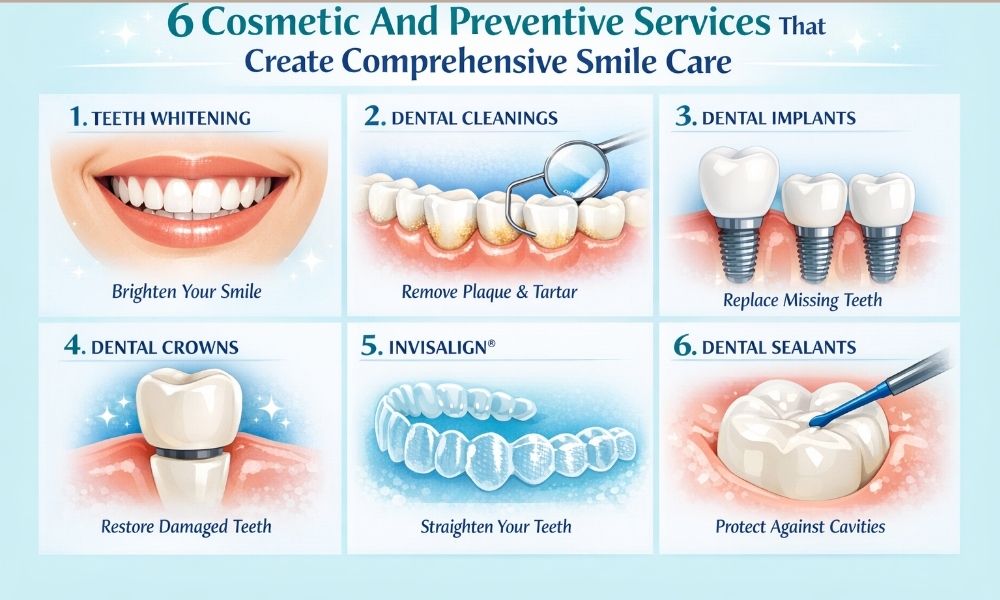
A healthy smile is not only about looking good. It shapes how you eat, speak, and connect with other people. Many people wait for pain before seeing a dentist. That choice often leads to bigger problems and higher costs. A better path is simple. You combine preventive visits with a few focused cosmetic services. Together they protect your teeth, steady your gums, and improve your confidence. This blog explains six services that work as one plan for complete smile care. You will see how cleanings, early screenings, and small changes in tooth shape or color can stop damage before it grows. You will also learn how a North Raleigh dentist can match these services to your daily habits and health history. The goal is clear. You deserve care that keeps your mouth strong and your smile calm, year after year.
1. Routine exams and cleanings
Routine exams and cleanings form the base of full smile care. You need them even when your mouth feels fine. Plaque and tartar build in spots that your brush and floss miss. A cleaning removes that buildup. A dentist checks your teeth, gums, and bite. You get early warnings before pain starts.
The Centers for Disease Control and Prevention reports that most adults have had cavities. Many also have gum disease. Regular visits cut that risk. You save teeth, time, and money.
During a visit, you can expect three main steps.
- Review of your health history and daily habits
- Careful cleaning of teeth and gum lines
- Exam for cavities, worn spots, and bite stress
You walk out with smoother teeth, fresher breath, and a clear plan.
2. Dental sealants for children and adults
Sealants give a shield on the chewing surfaces of back teeth. Those grooves trap food and germs. A thin coating covers them. It keeps out bacteria and makes those teeth easier to clean.
The National Institute of Dental and Craniofacial Research explains that sealants can prevent most decay in molars in children. Adults with deep grooves or early soft spots can benefit too.
Sealants support three goals.
- Protect new molars in children right after they come in
- Guard older teeth that have deep pits
- Delay or avoid fillings in high-risk teeth
The process is quick and painless. The dentist cleans the tooth, applies the coating, and hardens it with a light. You can eat soon after.
3. Fluoride treatments that strengthen enamel
Fluoride makes tooth enamel harder. It helps reverse very early decay before a cavity forms. You get fluoride from toothpaste and water. A dentist can add more power with a gel, foam, or varnish.
Fluoride treatments help three groups the most.
- Children while teeth are still forming
- Adults with many fillings or a history of cavities
- People with dry mouth from medicine or health conditions
The dentist paints or places the fluoride on your teeth. You wait a short time before eating or drinking. That small step can save you from root canals or crowns later.
4. Teeth whitening for a brighter but healthier smile
Whitening lifts stains from coffee, tea, smoking, and age. It does not change tooth shape. It changes how light reflects from the surface. That can soften lines and make your smile look younger.
A dentist first checks your teeth and gums. You need healthy tissue before whitening. You discuss your goals and any tooth sensitivity. Then you choose one of three paths.
- In office treatment for faster results
- Custom trays with gel at home for steady change
- A mix of both for more control
Professional care matters. Store kits can irritate gums or give uneven color. A dentist adjusts strength and timing so you get a safe result that fits your face.
5. Tooth colored fillings and bonding
Tooth colored fillings and bonding repair chips, cracks, and small gaps. The dentist uses a resin that matches your natural shade. You keep more of your own tooth. You also avoid the silver look of old metal fillings.
Bonding can help in three common cases.
- Fixing small chips in front teeth
- Covering worn edges from grinding
- Closing tiny spaces that catch food
The dentist shapes the resin and hardens it with a light. Then the surface is smoothed and polished. The change is quick. Your tooth looks whole and feels strong.
6. Clear aligners and minor orthodontic care
Crooked teeth are not just a cosmetic issue. Crowding and bite problems make cleaning hard. That leads to decay and gum disease. Clear aligners and other short-term orthodontic tools can move teeth into better positions.
Aligned teeth support three parts of mouth health.
- Easier brushing and flossing with fewer hidden spots
- Less stress on jaw joints and chewing muscles
- A more even smile that boosts self-trust
A dentist or orthodontist maps your teeth with scans or molds. You receive a series of aligners that you change on a set schedule. You remove them to eat and clean. You must wear them as directed for success.
How these six services work together
Each service has its own job. Together they form a complete plan. The table below shows how they compare.
| Service | Main purpose | Helps prevent | Cosmetic benefit
|
|---|---|---|---|
| Exams and cleanings | Remove buildup and check for early problems | Cavities and gum disease | Fresher breath and smoother teeth |
| Sealants | Cover grooves on back teeth | Decay in molars | Clean look on chewing surfaces |
| Fluoride treatments | Strengthen enamel | Early decay and weak spots | Protects natural shine |
| Teeth whitening | Lift stains from enamel | Stain buildup | Brighter smile |
| Tooth colored fillings and bonding | Repair damage and restore shape | Spread of decay and cracks | Natural look without metal |
| Clear aligners | Straighten teeth and improve bite | Wear from grinding and hard cleaning | More even and open smile |
Putting your smile plan into action
You do not need all six services at once. You start with an exam and cleaning. You share your concerns. You ask about pain, stains, crowding, or wear. Then you and your dentist choose three steps.
- Protect what you have with cleanings, sealants, and fluoride
- Repair what is damaged with fillings or bonding
- Refine your look with whitening or aligners
You deserve care that fits your budget and your life. You also deserve clear answers. When you ask questions, you gain control. You turn fear into action. You move from crisis visits to calm, routine care that keeps your smile steady for many years.
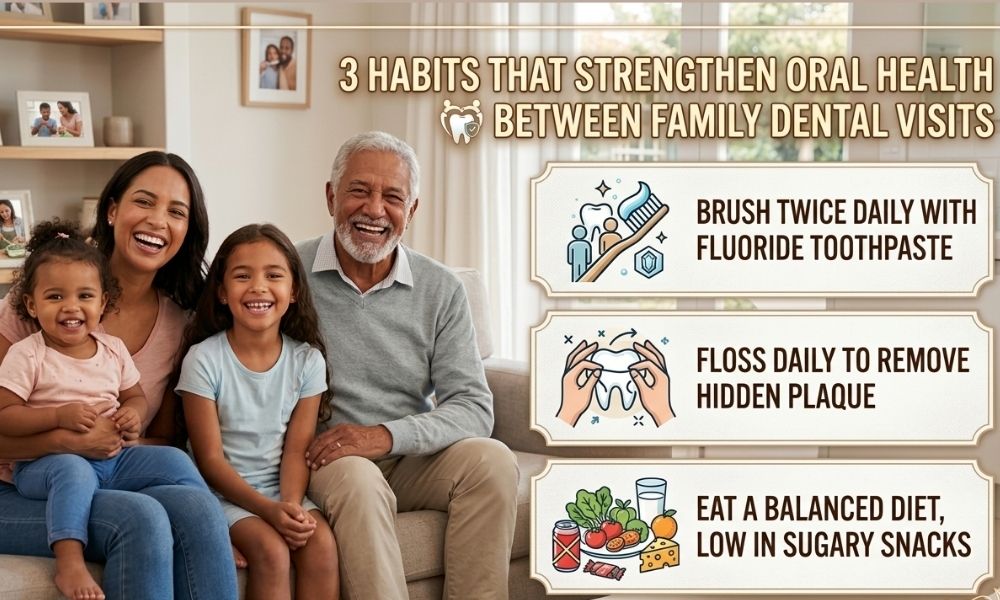
Strong teeth do not come from office visits alone. They grow from simple daily habits at home. As a parent, you carry a quiet pressure. You want your child to smile without pain or worry. Regular checkups with a family dentist in Sugar Land help catch problems. Yet what you do between those visits often decides if small issues stay small. This blog shares three habits you can start today. Each one protects your child’s teeth, gums, and confidence. You will see how to clean teeth the right way, how to choose snacks that do less harm, and how to turn bedtime routines into real protection. Small changes can stop cavities, bad breath, and stress. You do not need special tools. You only need a clear plan and steady effort. Your child depends on you. These habits help you protect that trust.
1. Brush with purpose, not speed
Many children brush every day yet still get cavities. The problem is not effort. The problem is how they brush. You can guide them to slow down and follow a clear pattern.
Use these steps twice a day.
- Use a soft toothbrush that fits your child’s mouth.
- Use a pea sized amount of fluoride toothpaste for children who can spit.
- Set a timer for two minutes.
- Brush outer, inner, and chewing surfaces of every tooth.
- Brush along the gum line with gentle circles.
- Help your child until at least age seven or eight.
The Centers for Disease Control and Prevention reports that cavities are one of the most common chronic problems in children. Routine brushing with fluoride cuts that risk. A rushed ten-second scrub does not remove sticky plaque. A clear two-minute routine does.
Turn brushing into a shared task. You can brush your teeth at the same time. You can use a simple song that lasts two minutes. You can use a sticker chart. Your child learns that this is not a choice. It is part of daily life, like seat belts and hand washing.
2. Choose snacks that protect teeth
Food choices can undo good brushing. Sugary snacks feed bacteria. Those bacteria produce acid that weakens tooth enamel. Constant snacking keeps acid levels high. That creates quite a lot of damage that you may not see until your child complains of pain.
Use this simple guide.
- Keep sweet drinks for rare events. Offer water and milk instead.
- Save candy and dessert for mealtime when there is more saliva.
- Offer crunchy fruits and vegetables like apples or carrots.
- Offer cheese, yogurt, nuts, and hard-boiled eggs for protein.
- Avoid sticky snacks that cling to teeth like gummies or fruit snacks.
The United States Department of Agriculture gives clear nutrition advice for children on its MyPlate for Kids page. Those same food patterns support strong teeth. Teeth respond well to simple, low-sugar foods. They struggle with frequent sweets and constant sipping on juice or soda.
Snack comparison table
Use this table to compare common snacks. You can use it to plan lunch boxes or after-school snacks.
| Snack | Effect on Teeth | Better Choice
|
|---|---|---|
| Fruit snacks or gummies | Stick to teeth and feed bacteria for a long time | Fresh fruit like apple slices or berries |
| Soda or sweet tea | High sugar and acid that weaken enamel | Water or plain milk |
| Cookies or pastries between meals | Cause sugar spikes and frequent acid attacks | Cheese cubes with whole grain crackers |
| Sports drinks | Seems healthy yet contains sugar and acid | Water with sliced fruit for flavor |
| Sticky granola bars | Cling to grooves in teeth and are hard to brush away | Handful of nuts or seeds if age safe |
You do not need to remove all treats. You can protect your child’s teeth by setting rules. You can keep sweets small. You can serve them with meals. You can avoid grazing all day. Structure gives your child freedom without hidden harm.
3. Create a steady bedtime routine
Night is a risky time for teeth. Saliva drops during sleep. That means less natural cleaning. If your child goes to bed with food or sugar on their teeth, bacteria work all night.
Create a simple three-step routine.
- Brush teeth for two minutes.
- Floss between teeth that touch.
- Drink only water after brushing.
For very young children, you can use floss picks. You can guide their hand. You can finish the job yourself. For older children, you can stand nearby and watch. You show that this routine matters as much as homework.
If your child uses a bottle or sippy cup, fill it with water at night. Do not use milk or juice. Nighttime bottles with sugar cause deep decay that often needs treatment. Strong limits now prevent painful visits later.
How these three habits work together
Each habit supports the others.
- Good brushing removes plaque that feeds on sugar.
- Smart snacks give bacteria less fuel.
- Bedtime routines stop long periods of unclean teeth.
Over time, your child learns that teeth need daily care. Dental visits then become checkups, not rescue visits. Your family dentist can focus on early signs instead of fixing large problems. That saves time, money, and stress.
You cannot control every part of your child’s life. You can control these three habits at home. Clear routines, steady food rules, and strong bedtime habits create real protection. Your child may not thank you now. Yet each pain-free smile shows the result of your effort.
Healthy teeth protect more than your smile. They protect how you eat, speak, and feel about yourself. Preventive dental care guards that strength early and keeps it steady as you grow older. Simple habits today shape your child’s future health and your own comfort as you age. Regular cleanings, checkups, and honest conversations with your LaGrange, GA dentist stop small problems before they turn into pain, infection, or tooth loss. Each visit builds a record of your mouth and your family history. That record guides smart choices for you, your children, and your parents. Strong teeth also lower strain on your heart, blood sugar, and immune system. You deserve that protection. Your family does too. Preventive care is not a luxury. It is basic protection that passes from one generation to the next.
How Preventive Care Protects Your Whole Body
Your mouth is a warning system. Bleeding gums, loose teeth, or constant bad breath often point to deeper trouble. Gum disease is linked to heart disease, stroke, and diabetes. Bacteria from your mouth enter your blood and stress your organs. You can stop much of that harm with simple steps.
- Brush with fluoride toothpaste two times each day
- Clean between teeth with floss or another tool once each day
- See a dentist for a cleaning and checkup at least every six months
The Centers for Disease Control and Prevention explains how untreated decay and gum disease affect daily life and work.
Why Children Need Early Protection
Baby teeth matter. They guide adult teeth into place. They help speech and steady eating. When children lose teeth early from decay, they often face pain, missed school, and trouble chewing.
You give your child a strong start when you
- Wipe baby’s gums with a clean, damp cloth after feedings
- Schedule the first dental visit by age one or at the first tooth
- Avoid putting a baby to bed with a bottle that has milk or juice
- Offer water between meals instead of sweet drinks
The American Academy of Pediatric Dentistry and the National Institutes of Health stress that early visits lower fear and reduce decay. For more details on children’s oral health, see NIDCR Children’s Oral Health.
Teens and Young Adults: Protecting Busy Mouths
Teens face sugar drinks, snacks, sports, and stress. These years can build strong habits or be locked in harm.
Encourage your teen to
- Use a mouthguard during sports
- Limit soda, energy drinks, and sweet coffee
- Keep a small brush or floss picks in a bag or locker
- Skip tobacco and vaping, which damage gums and stain teeth
Consistent checkups catch wisdom tooth problems and early gum disease. They also give space to talk about piercings, grinding, or jaw pain before they cause lasting damage.
Adults: Holding On To Strength
As you grow older, your risk for gum disease, dry mouth, and root decay rises. Medicines for blood pressure, depression, or allergies often dry your mouth. This dryness makes decay more likely.
You can protect your teeth by
- Drinking water often through the day
- Using fluoride toothpaste and, when advised, a fluoride rinse
- Sharing a full list of medicines with your dentist
Routine care is more effective after treatment. Fillings, crowns, or implants last longer when you keep your gums clean and see your dentist on schedule.
Older Adults: Keeping Teeth For Life
Many older adults think tooth loss is normal. It is common, but it is not expected. With steady care, you can chew well and smile with comfort at any age.
Older adults often face
- Gum disease that worsens slowly and quietly
- Tooth wear from years of grinding
- Denture sores or loose dentures that rub and cause infection
Regular dental visits catch infections early and protect against problems that can lead to trouble eating and weight loss. They also help spot signs of conditions such as osteoporosis or some cancers that first show in the mouth.
Preventive Care vs Emergency Care
Skipping cleanings feels easy until pain hits. Emergency visits bring stress, time off work, and higher costs.
| Type of visit | Typical reason | Common costs and impact
|
|---|---|---|
| Preventive visit | Cleaning, exam, X-rays, fluoride | Lower cost. Short visit. Less pain. Fewer missed days. |
| Emergency visit | Severe pain, swelling, broken tooth | Higher cost. Longer visit. Possible root canal or extraction. |
| Ongoing care | Follow up for early decay or gum disease | Moderate cost. Controls damage. Protects future health. |
Preventive care gives you control. Emergency care forces fast choices when you’re already hurt.
Three Daily Habits That Protect Every Generation
Every person in your home can follow three simple steps.
- Brush two times a day with fluoride toothpaste
- Clean between teeth once a day
- Drink water instead of sweet drinks most of the time
Pair these habits with regular visits for each family member. Children watch what adults do. When you protect your own teeth, you teach them to protect theirs.
Building A Family Plan For Strong Smiles
You do not need complex routines. You need a clear plan.
- Pick a dental home where your whole family feels safe
- Schedule checkups for everyone on the same week when possible
- Use a simple calendar or phone reminder for brushing and visits
Each small step today shields your family from future pain and cost. Preventive dental care is quite steady protection. It keeps smiles strong across generations and supports the health of your whole body.

Living in janey thompson obituary charlotte nc : Safe Neighborhoods, Crime Facts, and What to Expect

Why Advanced Technology Is Changing Periodontics And Implant Dentistry

6 Cosmetic And Preventive Services That Create Comprehensive Smile Care

Linda Susan Agar: A Visionary Leader Shaping the Future of the Technology Industry 2024

eCrypto1.com Crypto Wallets: The Ultimate Guide to Secure and Efficient Cryptocurrency Storage 2025

The Life and Legacy of Harlow Andrus: A Journey of Heritage and Inspiration 2024
-
 CELEBRITY1 year ago
Linda Susan Agar: A Visionary Leader Shaping the Future of the Technology Industry 2024
-
 CRYPTO1 year ago
eCrypto1.com Crypto Wallets: The Ultimate Guide to Secure and Efficient Cryptocurrency Storage 2025
-
 CELEBRITY1 year ago
The Life and Legacy of Harlow Andrus: A Journey of Heritage and Inspiration 2024
-

 CELEBRITY1 year ago
The Viral “Emiru Handbra” Moment: How It Became a Stunning Social Media Sensation in 2024
-

 FASHION1 year ago
McKinzie Valdez: Journey from Social Media Star to Entrepreneur 2024
-

 CELEBRITY1 year ago
Matt Danzeisen: The Quiet Yet Powerful Figure Behind Peter Thiel’s Success 2024
-

 CELEBRITY1 year ago
Deja Jackson, Ice Cube’s daughter, basketball career, biography 2024
-

 CELEBRITY1 year ago
Elizabeth Rizzini Biography | Career | Personal Life and More