
HEALTH
How Clear Aligners Fit Seamlessly Into Busy Lifestyles


Packed schedules often push dental care to the bottom of your list. Early meetings, long commutes, and family needs leave little room for long office visits or visible braces. Clear aligners respect that pressure. They straighten your teeth while you keep your daily routine. You wear them at work, in class, and on video calls without drawing attention. You remove them to eat, brush, and floss, so you keep your normal habits. You also spend less time in the chair. Short checkups and digital planning cut repeat visits. A dentist in Buckhead, Atlanta can map out your plan with photos and scans, then you handle the rest at home, at the office, or on the road. The result is steady progress that fits into your life, not the other way around.
How Clear Aligners Work Day to Day
Clear aligners use a series of custom trays that move your teeth in small steps. You wear each tray for most of the day. You change to the next tray on a set schedule from your dentist.
Here is what your normal day can look like.
- Morning. Put your aligners back in after brushing and breakfast.
- Work or school. Keep them in during meetings, calls, and classes.
- Meals. Take them out to eat and drink anything except water.
- Evening. Clean your teeth, clean your aligners, and wear them through the night.
The key is steady wear. Most plans call for 20 to 22 hours of wear time each day. This rhythm fits around work, school, and family care.
Clear Aligners Compared With Braces
Both clear aligners and braces move teeth. The difference is how they fit into your life. Braces stay on your teeth all the time. They need more office time for wire changes and repairs. Clear aligners give more control and more privacy.
| Feature | Clear Aligners | Traditional Braces
|
|---|---|---|
| Appearance at work or school | Nearly invisible trays | Visible brackets and wires |
| Office visits | Short checks every 6 to 8 weeks in many cases | More frequent visits for wire changes and repairs |
| Eating | Remove trays. Eat normal foods. | Avoid hard and sticky foods that can break brackets. |
| Cleaning | Brush and floss as usual. Clean trays separately. | More steps to clean around brackets and wires. |
| Sports and music | Remove trays for contact sports or some instruments if needed. | Higher risk of lip and cheek cuts with contact. |
| Emergencies | Fewer broken parts. Less urgent care. | Broken wires and brackets can need urgent visits. |
Time Savings That Matter
Clear aligners often cut travel and waiting time. Many visits focus on quick checks and new trays. Digital scans and photos guide the plan. That means less molding material, fewer long visits, and fewer surprises.
These three groups often feel the time savings the most.
- Parents who juggle carpools, homework, and sports.
- Professionals who travel or work long shifts.
- Students who move between classes, work, and activities.
You can also ask about virtual check ins. Some clinics review photos you send from home. That can cut visits even more when your progress stays on track.
Keeping Your Routine With Food, Sports, and Travel
Clear aligners protect daily habits that matter to you.
- Food. You remove trays to eat. You can still enjoy crunchy fruits, nuts, and simple snacks that braces often restrict.
- Sports. You can take trays out for contact sports and wear a mouthguard. That lowers the chance of cuts.
- Music and drama. You may remove trays for some wind instruments or performances when needed.
- Travel. You carry your next sets of trays. You stay on schedule without extra visits.
This control gives a sense of calm. Treatment becomes part of your routine instead of a stress point.
Health, Comfort, and Safety
Good oral care supports your whole body. The Centers for Disease Control and Prevention explains that tooth and gum disease can be linked to other health problems. Clear aligners help you keep clean teeth because you brush and floss without extra tools.
Comfort matters as well. Braces can rub cheeks and lips. Clear trays have smooth edges. You may feel pressure when you switch to a new tray. That feeling often fades after a few days as your teeth move.
For safety, you still need an in-person exam and X-rays. A dentist checks jaw health, bone levels, and any decay before treatment. That step protects you from hidden problems.
What To Expect Before You Start
You can prepare with three simple steps.
- Write down your goals. Think about crowding, gaps, or bite problems.
- Gather your schedule limits. Note work shifts, travel, and school dates.
- Bring your questions. Ask about cost, length of treatment, and visit plans.
During your visit, the dentist will check your teeth, gums, and bite. You may have photos, X-rays, and a 3D scan. The dentist will then tell you if clear aligners can meet your goals. Some complex bite problems still need braces or other treatment.
The American Dental Association’s MouthHealthy site offers extra facts about teeth straightening and what to expect.
Staying On Track When Life Is Busy
Clear aligners only work when you wear them. A busy life can test that rule. You can use these simple habits.
- Keep a travel case in your bag or car. Never wrap trays in napkins.
- Set alarms on your phone for wear time and tray changes.
- Rinse trays with cool water each time you remove them.
- Brush after meals when you can. If you cannot, at least rinse before you put trays back in.
Small habits protect your progress. They also protect your investment of time and money.
When Clear Aligners May Not Fit
Clear aligners are not the right fit for every person. You may need another plan if you have large jaw problems, many missing teeth, or active gum disease. Children who still have baby teeth may also need to wait.
A dentist will explain your choices. Together, you can weigh time, comfort, cost, and health. The goal is a strong smile that works for your life today and for many years to come.
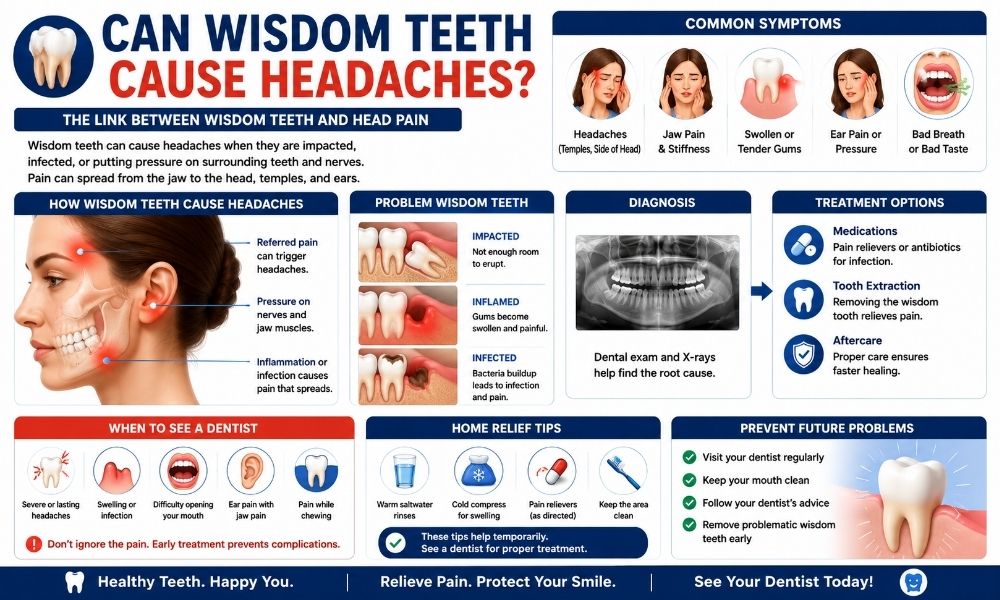
Can Wisdom Teeth Cause Headaches is a common question for people who feel pain near the back of the mouth, jaw, temples, ears, or side of the head. Wisdom teeth are the last molars to come in, and they often appear during the late teenage years or early adulthood. In many cases, they do not have enough room to grow properly. When this happens, they may become impacted, infected, or press against nearby teeth. In dentistry, this type of dental problem can sometimes create referred pain, meaning pain that starts in one area but is felt somewhere else, such as the jaw, ear, temple, or head.
Can Wisdom Teeth Cause Headaches?
Yes, wisdom teeth can sometimes cause headaches. This does not happen to everyone, but it can occur when wisdom teeth are impacted, infected, inflamed, or putting pressure on nearby teeth and jaw structures.
Cleveland Clinic explains that headaches from wisdom teeth are likely a type of referred pain because wisdom teeth sit at the back of the jaw, an area with many muscles and nerves. Pain that begins there can feel like a headache.
This means the problem may not actually start in the head. It may start near the wisdom tooth, gums, jaw joint, or surrounding muscles, then spread toward the temples, ears, face, or forehead.
What Are Wisdom Teeth?
Wisdom teeth are the third molars at the very back of the mouth. Most people have four wisdom teeth, one in each corner, although some people have fewer or none.
These teeth usually come in between the ages of 17 and 25. Sometimes they erupt normally and do not cause problems. Other times, there is not enough space in the jaw, so the teeth become trapped under the gums or grow at an angle.
When a wisdom tooth cannot fully come through, it is called impacted. Impacted wisdom teeth are more likely to cause pain, swelling, infection, and pressure.
Why Wisdom Teeth Can Lead to Headaches
Wisdom teeth can cause headaches in several ways. The most common reason is referred pain. The jaw, teeth, ears, and head are connected through shared nerve pathways. When pain starts near a wisdom tooth, the brain may feel it as pain in another nearby area.
Impacted wisdom teeth can also create pressure in the jaw. This pressure may strain the jaw muscles or affect how the bite feels. If the jaw muscles become tight or irritated, headache-like pain may develop around the temples or side of the head.
Inflammation around the wisdom tooth can also contribute. If the gum tissue around a partially erupted wisdom tooth becomes swollen or infected, the discomfort may spread beyond the tooth itself.
Impacted Wisdom Teeth and Headaches
An impacted wisdom tooth is one of the most common reasons wisdom teeth may be linked with headaches. Mayo Clinic notes that impacted wisdom teeth may not always cause symptoms, but when they become infected, damage nearby teeth, or cause other dental problems, symptoms may include red or swollen gums, tender or bleeding gums, jaw pain, jaw swelling, bad breath, unpleasant taste, and difficulty opening the mouth.
When jaw pain and swelling occur near the back of the mouth, the discomfort can spread. Some people feel it near the ear. Others feel it in the temple, cheek, or side of the head.
If your headache appears together with jaw pain or gum swelling near a wisdom tooth, the tooth may be part of the problem.
Wisdom Teeth and Jaw Pain
Jaw pain is one of the clearest signs that wisdom teeth may be involved. The lower wisdom teeth sit close to major nerves and jaw muscles. When they are impacted or inflamed, they can irritate nearby tissues.
This may cause soreness when chewing, opening the mouth, or biting down. Some people also feel stiffness in the jaw, especially in the morning or after eating.
When jaw muscles are tense for a long time, headaches can follow. This is similar to tension headaches that develop from muscle strain in the neck, shoulders, or jaw.
Wisdom Teeth and Ear Pain
Wisdom tooth pain can sometimes feel like ear pain because the jaw joint and ear area are close together. Pain from the back teeth may travel through shared nerve pathways and make it seem like the ear is the main problem.
This can be confusing. A person may think they have an ear infection, but the real issue may be an impacted or infected wisdom tooth.
If ear pain comes with gum swelling, bad taste, jaw stiffness, or pain at the back of the mouth, a dental exam is important.
Wisdom Teeth and Temple Headaches
Some people with wisdom tooth problems feel headaches near the temples. This can happen when jaw muscles become tight or overworked.
If a wisdom tooth changes how you bite, causes inflammation, or makes you chew differently, the jaw muscles may compensate. Over time, this can create aching around the temples.
This type of pain may feel dull, heavy, or pressure-like. It may become worse when chewing or opening the mouth wide.
Wisdom Teeth and Sinus Pressure
Upper wisdom teeth are located closer to the sinus area than lower wisdom teeth. In some cases, problems with upper back teeth can feel like pressure in the cheek, upper jaw, or sinus area.
However, sinus problems can also cause tooth-like pain. This is why diagnosis matters. A dentist may use an exam and X-rays to check whether the pain is dental or sinus-related.
If you have nasal congestion, fever, facial pressure, or pain that changes when bending forward, a sinus condition may also be possible.
Signs Your Headache May Be From Wisdom Teeth
A headache may be related to wisdom teeth if it appears with pain at the back of the mouth, jaw stiffness, gum swelling, bad breath, bad taste, or difficulty opening the mouth.
You may also notice pain while chewing, tenderness behind the last molar, or swelling around the jaw. If the headache is mostly on one side and matches the side of the wisdom tooth pain, that can also be a clue.
Cleveland Clinic’s impacted wisdom teeth guide states that impacted wisdom teeth can cause radiating pain in the jaw, face, and head in some cases.
Signs the Headache May Not Be From Wisdom Teeth
Not every headache is dental. Headaches can come from stress, dehydration, poor sleep, eye strain, migraines, sinus infections, neck tension, high blood pressure, or other medical causes.
If your headache comes with vision changes, confusion, weakness, severe sudden pain, fever, stiff neck, chest pain, or trouble speaking, seek urgent medical help.
If your headache is recurring but you have no jaw pain, gum swelling, tooth pain, or dental symptoms, you may need to see a doctor as well as a dentist.
Wisdom Tooth Infection and Headaches
A partially erupted wisdom tooth can trap food and bacteria under the gum flap. This may cause inflammation or infection around the tooth. This condition is often called pericoronitis.
When infection develops, pain may become stronger and may spread toward the jaw, ear, throat, or head. You may also notice swelling, bad breath, a bad taste, difficulty opening your mouth, or pain when swallowing.
Infection should not be ignored. Dental infections can worsen and spread if untreated.
Can Wisdom Teeth Cause Migraines?
Wisdom teeth do not usually cause true migraines in the medical sense. However, wisdom tooth pain can trigger headache-like pain, worsen existing headaches, or create referred pain that may feel intense.
Some people with migraine history may notice that dental pain acts as a trigger. But if you have migraine symptoms such as nausea, light sensitivity, vision aura, or severe throbbing pain, you should speak with a medical professional.
A dentist can check whether wisdom teeth are adding to the problem, while a doctor can evaluate migraine or neurological causes.
How Dentists Diagnose Wisdom Tooth Headaches
A dentist will start by asking about your symptoms. They may ask where the pain starts, whether it spreads, whether chewing makes it worse, and whether you have swelling or bad taste.
Then the dentist will examine the back of your mouth, gums, bite, and jaw movement. X-rays may be needed to see whether wisdom teeth are impacted, infected, decayed, or pressing on nearby teeth.
Mayo Clinic lists jaw pain, jaw swelling, red or swollen gums, bad breath, unpleasant taste, and difficulty opening the mouth as possible symptoms when impacted wisdom teeth cause problems.
Dental X-Rays for Wisdom Teeth
Wisdom teeth are often hidden partly or completely under the gums. This means a visual exam may not be enough. A dental X-ray can show the position of the wisdom tooth, whether it is angled, and whether it is affecting nearby teeth.
Sometimes a panoramic X-ray is used because it shows the entire mouth and jaws. This helps the dentist or oral surgeon plan treatment safely.
If the wisdom tooth is close to nerves or other important structures, more detailed imaging may be recommended.
Treatment Options for Wisdom Teeth Headaches
Treatment depends on the cause. If the wisdom tooth is erupting normally and causing mild soreness, your dentist may recommend monitoring and home care.
If there is infection, the dentist may clean the area, prescribe medication when appropriate, or recommend removal. If the tooth is impacted, damaging nearby teeth, or repeatedly causing pain, extraction may be the best long-term solution.
The goal is not only to relieve the headache. The goal is to treat the source of pain.
Wisdom Tooth Removal
Wisdom tooth removal may be recommended if the tooth is impacted, infected, decayed, causing repeated gum inflammation, damaging nearby teeth, or contributing to jaw pain.
Removal can be simple or surgical depending on the position of the tooth. Some wisdom teeth are easy to remove. Others require a more detailed procedure.
Your dentist or oral surgeon will explain the process, anesthesia options, recovery time, and aftercare instructions.
Will Headaches Go Away After Wisdom Tooth Removal?
If the headaches are truly caused by wisdom tooth pain, pressure, or infection, they may improve after the dental problem is treated. However, if headaches have another cause, removal may not solve them.
This is why proper diagnosis is important. Wisdom teeth can be one possible cause, but they are not the only reason people get headaches.
If headaches continue after dental treatment, speak with a doctor for further evaluation.
Home Relief While Waiting for a Dental Visit
If you think your wisdom tooth is causing pain or headaches, you can use gentle home care while waiting for an appointment. Warm saltwater rinses may help clean the area and soothe irritated gums.
A cold compress on the outside of the jaw may help reduce swelling and discomfort. Over-the-counter pain relievers may help, but you should follow the label and avoid taking medication that is not safe for you.
Do not place aspirin directly on the gum or tooth. This can burn the tissue. Do not try to cut gum tissue or remove the tooth yourself.
When to See a Dentist Quickly
See a dentist soon if your headache comes with wisdom tooth pain, gum swelling, jaw swelling, bad taste, bad breath, difficulty opening your mouth, pain when chewing, or swelling near the back of the jaw.
You should also seek urgent care if you have fever, facial swelling, trouble swallowing, trouble breathing, or severe pain. These symptoms may suggest infection that needs prompt treatment.
Dental infections should be treated early before they spread.
Can Wisdom Teeth Cause Neck Pain Too?
Wisdom tooth problems can sometimes contribute to jaw muscle tension. Tight jaw muscles may affect nearby muscles in the neck and head. This can create a wider pattern of discomfort.
However, neck pain can also come from posture, muscle strain, injury, stress, or other medical issues. If neck pain is severe, persistent, or linked with neurological symptoms, seek medical advice.
A dentist can check whether jaw or wisdom tooth problems are part of the issue.
Can Wisdom Teeth Affect Your Bite?
Impacted or erupting wisdom teeth can sometimes put pressure on nearby teeth, although the relationship between wisdom teeth and tooth crowding is debated. More clearly, wisdom teeth can cause local pain, gum inflammation, and difficulty cleaning the area.
If pain makes you chew differently, your jaw muscles may become strained. This can affect comfort and may contribute to headache-like symptoms.
A dentist can check whether your bite, jaw muscles, or wisdom teeth are causing your discomfort.
How to Prevent Wisdom Tooth Problems
Not all wisdom tooth problems can be prevented, but regular dental checkups help. Dentists can monitor wisdom teeth before they cause major symptoms.
Good oral hygiene is also important. Brush carefully around the back teeth, floss daily, and use a water flosser if recommended. Partially erupted wisdom teeth are hard to clean, so they need extra attention.
If your dentist says your wisdom teeth are impacted or risky, follow their advice about monitoring or removal.
Why You Should Not Ignore Repeated Wisdom Tooth Pain
Repeated pain at the back of the mouth usually means something is wrong. It may be gum inflammation, infection, decay, pressure, or impaction.
Ignoring the problem can allow infection to return, cavities to worsen, or nearby teeth to become affected. If headaches keep coming with wisdom tooth pain, dental evaluation is the safest choice.
Early care is usually easier than waiting until the pain becomes severe.
FAQs About Can Wisdom Teeth Cause Headaches
Can Wisdom Teeth Cause Headaches?
Yes, Can Wisdom Teeth Cause Headaches is a valid concern because impacted, infected, or inflamed wisdom teeth can cause referred pain that may feel like a headache.
What does a wisdom tooth headache feel like?
It may feel like pressure or aching near the temples, jaw, ear, or side of the head. It often appears with jaw soreness or pain at the back of the mouth.
Can impacted wisdom teeth cause head pain?
Yes. Impacted wisdom teeth can cause radiating pain in the jaw, face, and head in some cases.
Can wisdom teeth cause ear pain and headaches?
Yes, wisdom tooth pain can sometimes spread toward the ear and head because the jaw, ear area, and teeth are connected through nearby nerves and muscles.
How do I know if my headache is dental?
A dental headache may come with tooth pain, jaw pain, gum swelling, bad taste, bad breath, pain when chewing, or difficulty opening your mouth.
Do all wisdom teeth need removal?
No. Wisdom teeth do not always need removal if they are healthy, fully erupted, easy to clean, and not causing problems. A dentist can check your situation.
Will removing wisdom teeth stop headaches?
If the headaches are caused by wisdom tooth infection, pressure, or inflammation, they may improve after treatment. If headaches have another cause, removal may not stop them.
When should I see a dentist for wisdom tooth pain?
See a dentist if you have pain at the back of the mouth, jaw swelling, gum swelling, bad taste, headache with tooth pain, or difficulty opening your mouth.
Final Thoughts
So, Can Wisdom Teeth Cause Headaches? Yes, they can in some cases. Wisdom teeth may cause headaches when they are impacted, infected, inflamed, or creating pressure in the jaw. The pain may travel through nearby nerves and muscles, making it feel like a headache near the temples, ears, or side of the head.
However, not every headache is caused by wisdom teeth. Headaches can come from many dental and medical causes, so proper diagnosis matters. If your headache appears with jaw pain, gum swelling, tooth pain, bad taste, or difficulty opening your mouth, book a dental appointment.
A dentist can examine your wisdom teeth, take X-rays if needed, and recommend the right treatment. Early care can prevent pain from getting worse and protect your long-term oral health.
Visit familyteethcare.com for more helpful dental care guides and oral health tips.
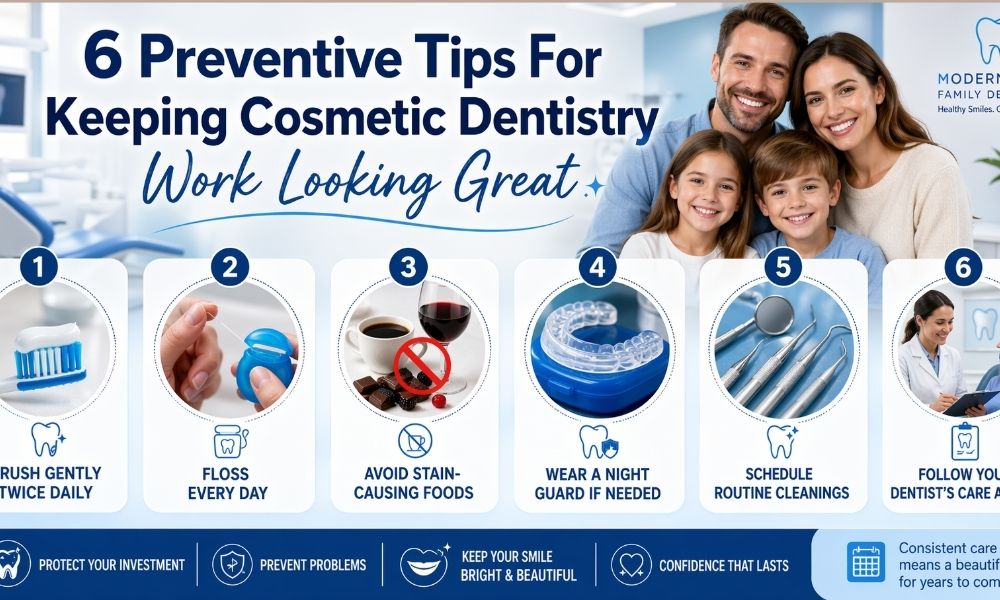
You invested time, money, and courage to improve your smile. Now you want that work to last. Crowns, veneers, bonding, and whitening can all lose their strength if you treat them like regular teeth. They need steady care, simple habits, and a plan. This guide gives you 6 preventive tips that protect your dental work and keep your smile looking sharp. You will learn how to clean, what to avoid, and when to ask for help. You will also see when problems are small enough for home care and when they signal real damage. If you work with a cosmetic dentist in Omaha, NE or anywhere else, these same rules still apply. Your choices each day decide how long your results stay strong. Your smile is not fragile. It just needs respect, routine, and early action when something feels off.
1. Brush and floss with care every single day
Your dental work sits on natural teeth and gums. If those fail, the cosmetic work fails with them. You need simple care twice a day.
Use this routine.
- Brush two times a day with a soft brush
- Use fluoride toothpaste
- Floss once a day around every tooth and under any bridge
Do not scrub. Use light pressure. Small circles along the gumline clean better than back-and-forth strokes. Strong brushing can scratch bonding and dull veneers.
The Centers for Disease Control and Prevention explains that fluoride helps protect teeth from decay. That same shield helps the teeth that support crowns and veneers. Clean work stays clear and smooth. Dirty work stains and chips.
2. Watch what you eat and drink
Food and drink change the color and strength of your smile. Some items stain. Others weaken the bond between your teeth and the cosmetic work.
Use this guide for daily choices.
| Habit | Effect on natural teeth | Effect on cosmetic work | Better choice
|
|---|---|---|---|
| Frequent soda or sports drinks | Acid wear and more cavities | Weaker edges and more staining at margins | Plain water between meals |
| Dark coffee and tea all day | Yellow or brown color | Stains bonding and rough spots | Limit to meal times and rinse with water |
| Hard candy and ice chewing | Cracks and chips | Broken veneers or chipped crowns | Sugar-free gum that you do not chew hard |
| Sticky sweets | Food stuck in grooves and between teeth | Pulls on edges of fillings and bonding | Small treats with quick brushing after |
Try to keep sweet or acidic drinks with meals only. Then drink water. That one habit cuts risk for both decay and stains.
3. Protect your teeth from grinding and impact
Many people grind or clench in sleep. Some never feel it. You may wake with a sore jaw or dull headache. That force can crack natural teeth and chip veneers.
Take three steps.
- Ask your dentist if you show signs of grinding
- Use a custom night guard if one is made for you
- Wear a mouthguard for contact sports
Store guards and mouthpieces in a dry, clean case. Rinse with cool water and brush them gently. Heat can warp them. Warped guards fail to protect your dental work.
4. Stop using teeth as tools
Teeth feel strong. You may use them to tear open packages, cut thread, or hold things when your hands are full. Each time you do that, you risk a crack or chip.
Make these promises to yourself.
- Open bags and bottles with scissors or openers
- Do not bite pens, nails, or hard objects
- Set items down instead of holding them between your teeth
One quick mistake can undo careful work. A chipped veneer or cracked crown often needs a full repair, not a small fix. Treat your teeth like they can break. That simple mindset keeps your smile steady.
5. Keep regular dental visits and cleanings
Home care matters. Professional care finds small problems early. Your dentist checks fit, color, and edges. Your hygienist cleans stains and buildup that you miss at home.
The National Institute of Dental and Craniofacial Research explains that regular exams help catch decay early. That protects the teeth under crowns and around veneers.
Plan to
- Visit at least every six months, or as your dentist suggests
- Tell the team about any pain, rough spots, or changes you feel
- Ask if your whitening or bonding needs a touch-up
Cleanings also help your gums stay firm. Strong gums hold cosmetic work in place. Swollen or bleeding gums can expose edges and cause stains that you cannot brush away at home.
6. Act fast when something feels wrong
Small changes often show early trouble. You may feel a sharp edge with your tongue. You may feel sudden cold or hot sensitivity. You may see a hairline crack or a dark line at the gum.
Do not wait. Use this simple rule of three.
- If pain or sharpness lasts more than two days, call your dentist
- If a crown or veneer feels loose, call the same day
- If something breaks, save the piece and bring it in
Quick care often turns a big repair into a small polish or patch. Delay can mean a full new crown or veneer. You paid once for that smile. Guard it with fast action when your mouth sends a warning.
Bring it all together for a lasting smile
You keep cosmetic work strong with three simple habits. You clean with care every day. You protect teeth from hard use and grinding. You keep steady visits and act fast when something feels wrong.
These steps help your whole family. Children learn from what they see. When you treat your smile with respect, they learn to do the same. Your dental work does not need special gadgets or complex tools. It needs your daily choice to protect what you have already earned.
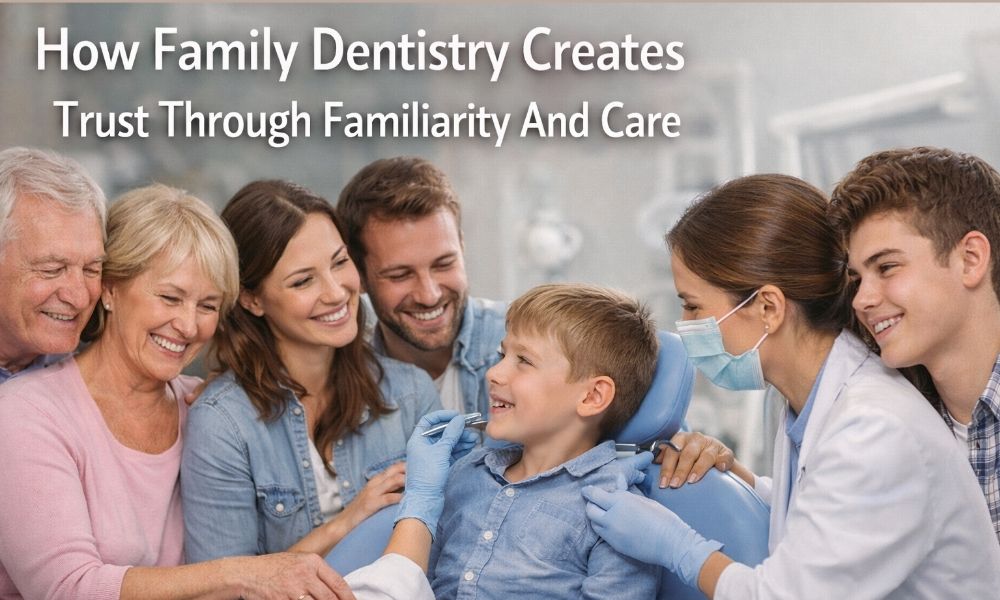
Trust with a dentist does not happen by accident. It grows when you see the same faces, hear the same calm voice, and know the office well. Family dentistry gives you that steady connection. You bring your children, your partner, and even aging parents to one place. You share history, worries, and wins with one trusted team. Over time, the dentist knows your story, your habits, and your fears. That memory shapes each visit. It turns a cold chair into a safe spot. It also helps catch problems early, when care is simple and less costly. If you see a family dentist in La Verne, CA, you see someone ready to build a bond with your whole household. The goal is not quick fixes. Instead, the goal is steady care, honest talk, and a relationship you can rely on when you feel exposed and afraid.
Why Familiarity Matters So Much
Dental fear is common. The Centers for Disease Control and Prevention explains that many adults skip visits because of fear or past pain. You may have had a rushed visit, a sharp tone, or a surprise bill. Each bad moment leaves a mark.
Familiar family care weakens that fear. You know the front desk staff. You know how the office smells and sounds. Your children see the same hygienist. Your parent sees the same dentist who already knows their health history.
That steady contact gives you three powerful gains.
- You feel seen as a person, not a number.
- You feel able to speak up about pain or cost.
- You feel safer bringing your family back on time.
Trust grows with each visit. Familiarity and care move you from dread to calm.
One Office For Every Stage Of Life
A family practice understands that teeth change with age. So do fears and needs. Children need comfort and simple words. Teens need clear facts about sports injuries and sugar. Adults need help with stress and grinding. Older adults need support with dry mouth, bone loss, and medicines.
In one family office you gain care that fits each stage.
- Children learn kind routines from the start.
- Teens hear direct talk about choices and risks.
- Adults get steady cleanings and repairs.
- Older adults receive careful checks for gum loss and oral cancer.
Repeated visits in the same place also cut confusion. Records stay in one chart. X rays stay in one system. Staff see patterns and act early.
How Trust Improves Your Health
Trust is not a soft extra. It changes what you do at home and how you use care. The National Institute of Dental and Craniofacial Research notes that regular cleanings and early treatment help stop tooth loss and pain. You are more likely to keep those visits when you trust your dentist.
When you feel safe you are more honest. You tell the truth about smoking, sugar drinks, or skipped brushing. You ask the hard questions about cost. You ask what will hurt. You ask what can wait and what cannot.
That open talk gives your dentist what is needed to guide you. Then you can choose care that fits your health, budget, and values.
Family Dentistry Compared To One Time Care
Many people still use urgent, one time dental visits. The table below shows key differences between family based care and one time care.
| Feature | Family Dentistry | One Time / Walk In Care |
| Relationship | Long term bond with one team | Little or no ongoing bond |
| Knowledge of history | Full record across many years | Limited view of your past care |
| Focus of visit | Prevention and early action | Relief of urgent pain |
| Cost over time | More planned costs and fewer emergencies | Higher chance of sudden large bills |
| Comfort level | Grows with each visit | Often stays low or tense |
| Family support | One office for all ages | Each person goes somewhere else |
This pattern shows a simple truth. Routine care is more effective after treatment. Ongoing trust leads to fewer shocks and less pain.
What A Trust Building Visit Looks Like
A trust building visit feels calm and clear. You know what will happen. Staff greet you by name. They ask about your last visit. They ask what has changed in your life or health. They listen without rush.
During the exam you hear what the dentist sees. You see images on a screen when possible. You hear three things.
- What is healthy.
- What needs watching.
- What needs treatment now.
You then hear simple options. You hear what each option costs in money, time, and comfort. You get space to think. You never feel pushed.
After treatment you get clear home steps. You know who to call with questions. You know when to return.
How To Support Your Child’s Trust
Children often copy your fear. If you tense up in the chair they notice. Family dentistry helps you break that pattern.
You can support your child before each visit.
- Use plain words like “cleaning” and “counting teeth”.
- Avoid scary stories about your own past work.
- Read a simple book about dental visits together.
During the visit allow the child to ask questions. Let the dentist speak to your child directly. That respect shows your child that their voice matters. It also helps the dentist learn your child’s fears and habits early.
Using Trusted Information To Guide Choices
Reliable dental facts help you judge advice. You can compare what you hear in the office with trusted sources. The National Institute of Dental and Craniofacial Research offers clear guides on tooth decay, gum disease, and dry mouth at https://www.nidcr.nih.gov/health-info. The CDC also shares data on oral health and prevention at https://www.cdc.gov/oralhealth/.
When your dentist’s guidance matches these sources you gain more trust. When something is unclear you can bring questions from these sites to your next visit.
Taking The Next Step For Your Family
Trust grows through small repeated actions. You choose one office. You keep your cleanings. You speak up. You bring your children. You stay with your aging parent during their visit.
Over time those choices turn fear into safety. Family dentistry gives you one steady place where your story, your health, and your dignity stay linked. That familiarity and care protect your teeth, your body, and your peace of mind.

What Evidence Strengthens a Restaurant Slip and Fall Claim in Birmingham?

Why Truck Accident Claims Are More Complicated Than Car Accidents

BMW Wheels and Alloys: Sizes, Fitments and What to Check Before Buying Used

Grace Fan Devito: The Quiet Power Behind Danny DeVito’s Daughter 2024

Linda Susan Agar: A Visionary Leader Shaping the Future of the Technology Industry 2024

The Rise of AI in Fashion: How Technology is Redefining Style in 2025
-
 ENTERTAINMENT2 years ago
Grace Fan Devito: The Quiet Power Behind Danny DeVito’s Daughter 2024
-
 CELEBRITY2 years ago
Linda Susan Agar: A Visionary Leader Shaping the Future of the Technology Industry 2024
-
 FASHION2 years ago
The Rise of AI in Fashion: How Technology is Redefining Style in 2025
-

 FASHION2 years ago
Make1M.com Luxury Watches: Timeless Elegance Meets Financial Freedom
-

 CRYPTO2 years ago
eCrypto1.com Crypto Wallets: The Ultimate Guide to Secure and Efficient Cryptocurrency Storage 2025
-

 CELEBRITY2 years ago
The Life and Legacy of Harlow Andrus: A Journey of Heritage and Inspiration 2024
-

 CELEBRITY2 years ago
The Viral “Emiru Handbra” Moment: How It Became a Stunning Social Media Sensation in 2024
-

 CELEBRITY2 years ago
Matt Danzeisen: The Quiet Yet Powerful Figure Behind Peter Thiel’s Success 2024