
HEALTH
How Cosmetic Dentistry Complements The Preventive Role Of General Care

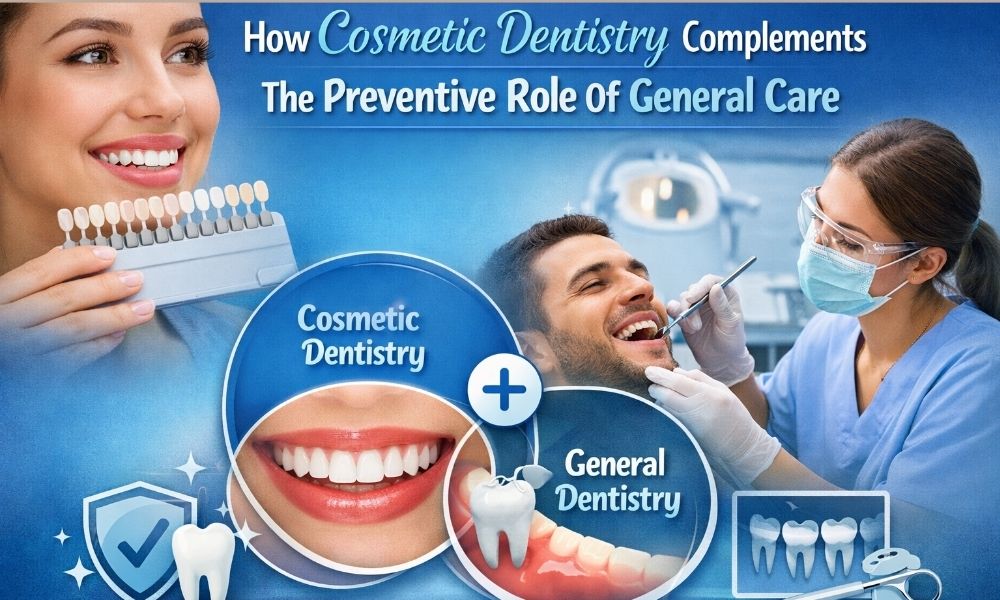
Your smile is not only about looks. It is part of your daily health. General care protects your teeth from decay and infection. Cosmetic dentistry builds on that base. It repairs damage, closes gaps, and shapes worn or stained teeth. Each step supports the next. Routine checkups catch small problems early. Cosmetic work then restores strength and balance. You gain a smile that feels steady and safe, not just bright. Many people wait until pain forces a visit. That delay often leads to more serious damage and higher costs. When you pair routine cleanings with careful cosmetic choices, you avoid that spiral. You protect your bite, your gums, and your confidence. An Arlington dentist can help you use cosmetic dentistry as part of a steady plan. You keep your mouth strong. You also feel ready to speak, eat, and laugh without fear.
How General Care Protects Your Mouth
General dental care focuses on three simple steps. You clean your teeth. You check for early signs of trouble. You treat decay or gum disease before it spreads.
Routine care usually includes:
- Checkups and cleanings every six months
- X rays when needed
- Fluoride treatments for children and some adults
- Sealants for back teeth that trap food
- Fillings for small cavities
The goal is plain. You keep teeth and gums free from infection. You lower the risk of pain, tooth loss, and costly treatment. The Centers for Disease Control and Prevention explains that untreated cavities are common and can affect eating, speaking, and learning. Steady general care cuts that risk.
What Cosmetic Dentistry Adds To General Care
Cosmetic dentistry focuses on how your teeth look and feel when you smile or chew. It often follows general care. First, you remove decay and infection. Then you restore shape, color, and strength.
Common cosmetic treatments include:
- Bonding to fix chips or small gaps
- Tooth colored fillings that blend with your smile
- Crowns for teeth that are cracked or worn
- Veneers to cover stains or uneven edges
- Teeth whitening for stains from food or drinks
- Orthodontic treatment for crooked or crowded teeth
Each of these steps can support health. A crown can protect a weak tooth from breaking. Bonding can smooth sharp edges that cut your tongue or cheek. Straight teeth are easier to clean. That means less plaque stays near your gums.
How Cosmetic And Preventive Care Work Together
Preventive and cosmetic care are strongest when you use them as a team. You start with a clean base. Then you restore and shape teeth so they last longer.
Here are three ways they work together:
- Protection. A well-placed crown or veneer can seal a tooth that has had deep decay. This lowers the chance of new decay in the same spot.
- Function. Aligning teeth can improve your bite. This spreads chewing forces across more teeth. You lower the strain on jaw joints and single teeth.
- Motivation. When you feel proud of your smile, you often brush and floss more. You also tend to keep regular visits to protect that change.
The National Institute of Dental and Craniofacial Research notes that decay is caused by plaque and sugars. Cosmetic work cannot replace brushing, flossing, and checkups. It can make those steps more effective by giving you smoother, better-aligned surfaces to clean.
Comparison Of General And Cosmetic Dentistry
| Type of care | Main focus | Common treatments | Key benefit for you
|
|---|---|---|---|
| General preventive care | Stopping decay and gum disease | Cleanings, exams, X X-raysfluoride, sealants, fillings | Lower pain, fewer infections, fewer emergencies |
| Cosmetic restorative care | Improving look and function | Crowns, bonding, veneers, whitening, tooth colored fillings | Stronger bite, more even teeth, steady smile |
| Orthodontic care | Improving alignment | Braces, clear aligners, retainers | Easier cleaning, smoother bite, less wear |
When Cosmetic Dentistry Supports Prevention
You may think cosmetic treatment is only for appearance. In many cases, it also prevents new damage.
- Large fillings. A back tooth with a wide filling can crack under chewing force. A crown covers the tooth. That can prevent a break that would need a root canal or removal.
- Chipped front teeth. Rough edges collect plaque and can cut soft tissue. Bonding smooths the edge. That makes brushing easier and less painful.
- Gaps and crowding. Food trapped between crowded teeth feeds bacteria. Straightening teeth reduces these traps. You then remove plaque more fully with daily care.
Each time you fix shape and alignment, you remove hiding spots for plaque. You also improve how your teeth meet. That can reduce grinding and wear.
Planning Care For Your Whole Family
Families often juggle school, work, and care for older relatives. Mouth health can slip. A simple plan can keep everyone on track.
Use three steps:
- Set regular checkups and stick to them
- Ask about early cosmetic fixes for chips, stains, or crowding
- Review brushing and flossing habits at home
Children may need sealants and fluoride first. Teens and young adults may then use orthodontics or bonding. Adults may benefit from crowns or veneers to repair years of wear. Older adults may need replacement of old fillings or repair of worn edges.
Questions To Ask Your Dentist
Clear questions help you decide what to do and when. During your visit, you can ask:
- What problems do you see that could grow worse with time
- Which issues are health risks and which are only about appearance
- Can a cosmetic treatment also protect this tooth or my bite
- What can we do now, and what can safely wait
- How can I care for cosmetic work at home
Honest answers help you set priorities. You can focus on urgent health needs first. Then you can add cosmetic steps that support long-term strength.
Staying Ahead Of Problems
Cosmetic dentistry is not a shortcut. It cannot replace brushing, flossing, or regular visits. It can reinforce the work you already do. You protect teeth from decay and gum disease. You also repair worn or damaged spots before they fail.
When you pair both types of care, you protect your mouth on two levels. You stop a new disease. You also build a smile that can handle daily stress. You then lower the chance of sudden pain, broken teeth, and rushed visits.
Your smile carries your words and your laughter. With steady general care and smart cosmetic choices, you keep that smile strong through each stage of life.

Packed schedules often push dental care to the bottom of your list. Early meetings, long commutes, and family needs leave little room for long office visits or visible braces. Clear aligners respect that pressure. They straighten your teeth while you keep your daily routine. You wear them at work, in class, and on video calls without drawing attention. You remove them to eat, brush, and floss, so you keep your normal habits. You also spend less time in the chair. Short checkups and digital planning cut repeat visits. A dentist in Buckhead, Atlanta can map out your plan with photos and scans, then you handle the rest at home, at the office, or on the road. The result is steady progress that fits into your life, not the other way around.
How Clear Aligners Work Day to Day
Clear aligners use a series of custom trays that move your teeth in small steps. You wear each tray for most of the day. You change to the next tray on a set schedule from your dentist.
Here is what your normal day can look like.
- Morning. Put your aligners back in after brushing and breakfast.
- Work or school. Keep them in during meetings, calls, and classes.
- Meals. Take them out to eat and drink anything except water.
- Evening. Clean your teeth, clean your aligners, and wear them through the night.
The key is steady wear. Most plans call for 20 to 22 hours of wear time each day. This rhythm fits around work, school, and family care.
Clear Aligners Compared With Braces
Both clear aligners and braces move teeth. The difference is how they fit into your life. Braces stay on your teeth all the time. They need more office time for wire changes and repairs. Clear aligners give more control and more privacy.
| Feature | Clear Aligners | Traditional Braces
|
|---|---|---|
| Appearance at work or school | Nearly invisible trays | Visible brackets and wires |
| Office visits | Short checks every 6 to 8 weeks in many cases | More frequent visits for wire changes and repairs |
| Eating | Remove trays. Eat normal foods. | Avoid hard and sticky foods that can break brackets. |
| Cleaning | Brush and floss as usual. Clean trays separately. | More steps to clean around brackets and wires. |
| Sports and music | Remove trays for contact sports or some instruments if needed. | Higher risk of lip and cheek cuts with contact. |
| Emergencies | Fewer broken parts. Less urgent care. | Broken wires and brackets can need urgent visits. |
Time Savings That Matter
Clear aligners often cut travel and waiting time. Many visits focus on quick checks and new trays. Digital scans and photos guide the plan. That means less molding material, fewer long visits, and fewer surprises.
These three groups often feel the time savings the most.
- Parents who juggle carpools, homework, and sports.
- Professionals who travel or work long shifts.
- Students who move between classes, work, and activities.
You can also ask about virtual check ins. Some clinics review photos you send from home. That can cut visits even more when your progress stays on track.
Keeping Your Routine With Food, Sports, and Travel
Clear aligners protect daily habits that matter to you.
- Food. You remove trays to eat. You can still enjoy crunchy fruits, nuts, and simple snacks that braces often restrict.
- Sports. You can take trays out for contact sports and wear a mouthguard. That lowers the chance of cuts.
- Music and drama. You may remove trays for some wind instruments or performances when needed.
- Travel. You carry your next sets of trays. You stay on schedule without extra visits.
This control gives a sense of calm. Treatment becomes part of your routine instead of a stress point.
Health, Comfort, and Safety
Good oral care supports your whole body. The Centers for Disease Control and Prevention explains that tooth and gum disease can be linked to other health problems. Clear aligners help you keep clean teeth because you brush and floss without extra tools.
Comfort matters as well. Braces can rub cheeks and lips. Clear trays have smooth edges. You may feel pressure when you switch to a new tray. That feeling often fades after a few days as your teeth move.
For safety, you still need an in-person exam and X-rays. A dentist checks jaw health, bone levels, and any decay before treatment. That step protects you from hidden problems.
What To Expect Before You Start
You can prepare with three simple steps.
- Write down your goals. Think about crowding, gaps, or bite problems.
- Gather your schedule limits. Note work shifts, travel, and school dates.
- Bring your questions. Ask about cost, length of treatment, and visit plans.
During your visit, the dentist will check your teeth, gums, and bite. You may have photos, X-rays, and a 3D scan. The dentist will then tell you if clear aligners can meet your goals. Some complex bite problems still need braces or other treatment.
The American Dental Association’s MouthHealthy site offers extra facts about teeth straightening and what to expect.
Staying On Track When Life Is Busy
Clear aligners only work when you wear them. A busy life can test that rule. You can use these simple habits.
- Keep a travel case in your bag or car. Never wrap trays in napkins.
- Set alarms on your phone for wear time and tray changes.
- Rinse trays with cool water each time you remove them.
- Brush after meals when you can. If you cannot, at least rinse before you put trays back in.
Small habits protect your progress. They also protect your investment of time and money.
When Clear Aligners May Not Fit
Clear aligners are not the right fit for every person. You may need another plan if you have large jaw problems, many missing teeth, or active gum disease. Children who still have baby teeth may also need to wait.
A dentist will explain your choices. Together, you can weigh time, comfort, cost, and health. The goal is a strong smile that works for your life today and for many years to come.
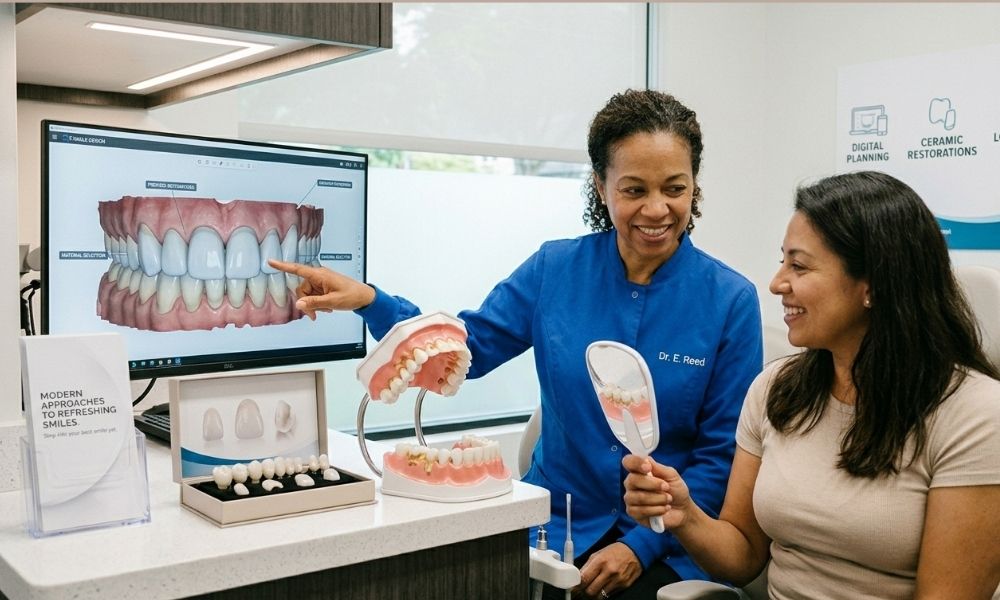
Your mouth holds years of effort. Old fillings, crowns, and stains can leave your smile looking tired. You may feel uneasy when you laugh or speak. That quiet discomfort can spread into work, family, and daily life. Today, you have new choices that respect the work already done while giving your smile a fresh start. Modern methods focus on comfort, strength, and a natural look. You can correct worn edges, dark lines near gums, and uneven teeth without starting from zero. A trusted dentist in Monterey, CA can help you sort through options and set clear goals. You deserve teeth that feel strong and look clean. You also deserve clear facts and simple steps. This guide explains how modern care can renew a long-treated smile, protect your past dental work, and help you feel steady every time you show your teeth.
Step One: Understand What You Already Have
First, you need a clear picture of your mouth. Old metal fillings, mixed crown types, and past root canals can all affect the next steps.
During a checkup, your dentist may:
- Review your health and medicine list
- Take new X-rays to check roots and bone
- Take photos to track wear and color
- Check your bite and jaw joints
Next, you talk about what bothers you most. You might care about color. You might care about chips. You might care about sore gums. Clear goals guide every choice.
Three Main Paths To A Fresher Smile
Most smile refresh plans use some mix of three paths.
- Whitening for stained teeth
- Bonding or veneers for shape and color
- Crowns or implants for worn or missing teeth
You and your dentist can blend these so your mouth looks and feels steady.
Whitening Around Old Dental Work
Whitening can lift stains from natural teeth. It does not change color on crowns, veneers, or fillings. That means planning matters.
The National Institute of Dental and Craniofacial Research explains that home trays and office whitening both work when used as directed.
Common steps include:
- Clean your teeth first
- Whiten natural teeth to a steady shade
- Wait a short time to let color settle
- Replace front fillings or crowns to match the new shade
This order keeps your smile from looking mixed or patchy.
Bonding And Veneers For Shape And Color
You may see small chips, spaces, or rough edges. You may see one front tooth that looks darker from old work.
Three common options are:
| Treatment | Best Use | Typical Lifespan | Cost Range | Reversible
|
|---|---|---|---|---|
| Bonding | Small chips and gaps | 3 to 7 years | Low | Yes |
| Porcelain veneer | Color change and reshaping | 10 to 15 years | Medium to high | No |
| Full crown | Heavily damaged teeth | 10 to 15 years | High | No |
Bonding uses tooth colored material shaped by hand. Veneers use thin shells made in a lab. Crowns cover the full tooth. Each has a role. Your bite, grinding habits, and budget all guide the choice.
Replacing Old Crowns And Fillings
Old metal or dark-edged crowns can pull attention when you smile. Cracked fillings can also pull on teeth and cause pain when you chew.
Refresh often means:
- Checking each crown for leaks or decay
- Testing bite to see which teeth carry too much force
- Choosing new materials that match your tooth color
Porcelain and ceramic crowns can blend with nearby teeth. You can replace one crown at a time or plan a phased path. That can help with cost and time.
Care For Gums That Worked Hard Too
Gums frame your smile. Years of plaque, clenching, or smoking can leave gums sore or uneven.
The Centers for Disease Control and Prevention report that many adults have some gum disease. You are not alone.
Common gum steps include:
- Deep cleaning to remove hard buildup
- Smoother tooth roots to reduce future buildup
- Repair of receded spots to cover exposed roots
Healthy gums help new crowns, veneers, and bonding last longer. They also reduce bleeding and bad taste.
Working With Past Root Canals And Implants
Past root canals and implants often hold up well. Yet the teeth or gums around them can change over time.
Your dentist may:
- Check X-rays around root-treated teeth
- Test implants for bone support
- Replace old crowns on root-treated teeth or implants, so they match your new tooth shade
This keeps the support you already paid for while freshening the look.
Plan, Budget, and Protect Your New Smile
Refreshed smiles work best with a clear plan. You can ask your dentist for three things.
- A written list of needed care
- A simple timeline broken into steps
- A cost estimate for each step
You can then match that plan with your dental coverage and savings. You can space visits to match your comfort.
Next, protect the work you choose.
- Brush twice each day with fluoride toothpaste
- Clean between teeth each day with floss or small brushes
- Use a night guard if you grind your teeth
- Keep regular cleanings and checks
Moving From Quiet Worry To Steady Confidence
Living with old dental work can feel like carrying a secret. You may hide your smile in photos. You may cover your mouth when you speak.
You do not need a full mouth makeover to feel change. Three small moves can start your path.
- Schedule a checkup and share what bothers you
- Pick one simple step, such as cleaning or whitening
- Review how that change feels before choosing more
Your past dental work shows effort and care. Modern methods can honor that work while giving you a calmer, cleaner smile. You deserve teeth that match the strength you show every day.
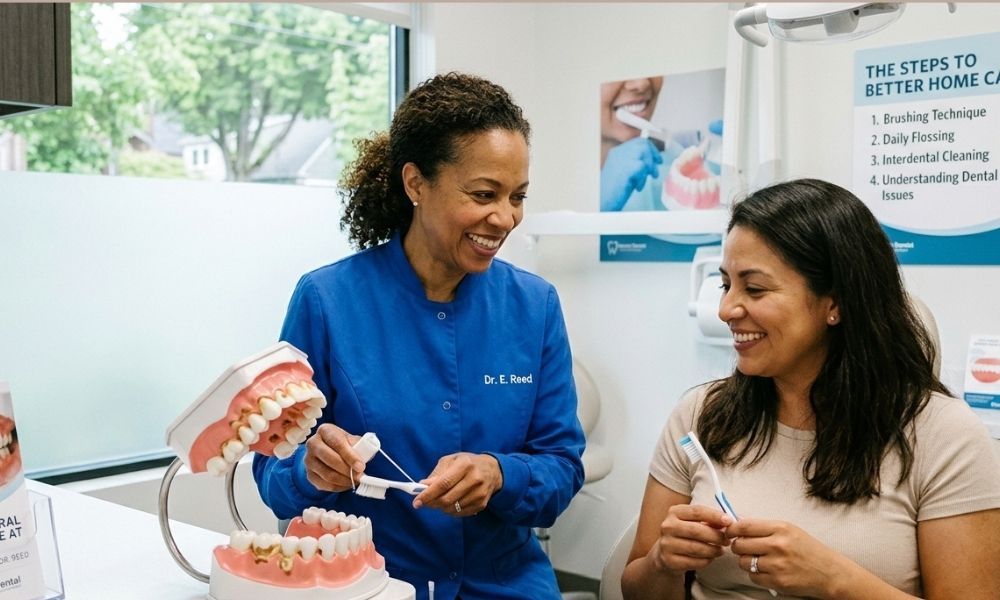
Good oral care at home starts in the dental chair. Regular visits to a general dentist give you clear steps, not guesswork. A dentist checks your teeth, gums, and daily habits. Then you get direct guidance that fits your mouth and your life. A dentist in Monterey Park CA can show you how to brush with purpose, clean between teeth, and spot early warning signs. You learn what hurts your teeth and what protects them. You also gain a plan that feels possible on busy days. Office visits catch small problems before they grow. Home care keeps those problems from coming back. Together, they form a steady routine. This blog explains how general dentistry supports your daily brushing, your diet choices, and your use of simple tools at home. You will see how one checkup can change the way you care for your mouth every single day.
Why Checkups Matter For Your Home Routine
General dentistry shapes your daily habits. You do not just get a cleaning. You get a clear review of what works and what fails in your home care.
During a checkup, your dentist will usually:
- Check for tooth decay and worn enamel
- Look for gum swelling and bleeding
- Measure plaque and tartar buildup
- Ask about brushing, flossing, and diet
This review shows patterns you might miss. You may think you brush well. Yet plaque in the same spots each visit shows a different story. The dentist then adjusts your home routine so you can clean those weak spots with simple steps.
Personal Coaching On Brushing And Flossing
You can watch many online videos on brushing. None of them can see inside your mouth. Your dentist can.
During a visit, you can ask for a hands-on review of your technique. The dentist or hygienist may:
- Watch how you hold your brush
- Show you where you miss near the gums
- Guide you on gentle strokes that protect enamel
- Suggest brush types that match your hand strength and mouth size
They can also show you how to use floss, floss picks, or small brushes between teeth. This turns a vague task into a clear routine. It also reduces bleeding and pain that often cause people to stop flossing.
Matching Home Tools To Your Mouth
Not every product in the store fits your needs. General dentistry narrows your choices.
Your dentist can help you choose:
- Manual or powered toothbrush
- Soft bristles or extra soft bristles
- Fluoride toothpaste with the right strength
- Floss, water flosser, or interdental brushes
- Mouth rinse for decay, dry mouth, or gum support
The goal is a simple set of tools that you will use each day. The wrong tool can cause discomfort. The right one can turn a chore into a quick habit.
How Office Care and Home Care Work Together
Office treatments and home routines support each other. Each one loses power if you ignore the other.
| General Dentistry Visit | Home Oral Care | Result For Your Mouth
|
|---|---|---|
| Professional cleaning removes hard tartar | Twice daily brushing prevents fast buildup | Less plaque, fresher breath, fewer cavities |
| Fluoride treatment strengthens enamel | Fluoride toothpaste keeps fluoride level steady | Stronger teeth with lower risk of decay |
| Exam finds early gum swelling | Daily flossing reduces plaque at the gumline | Calmer gums and reduced bleeding |
| Diet and habit counseling | Limit sugary snacks and drinks | Stable tooth health and better energy |
| Custom plan for high risk patients | Extra brushing or rinse as advised | Fewer emergencies and less pain |
Each checkup also measures how well you follow your plan. If your gums improve, you know your daily effort works. If they worsen, the dentist adjusts the plan instead of blaming you.
Guidance For Children And Family Routines
General dentistry gives parents clear support. Children often copy what they see. When they watch you get care without fear, they gain trust.
During family visits, your dentist can:
- Teach simple brushing steps for children
- Explain cavity risks from juice, soda, and sticky snacks
- Suggest fluoride use based on age
- Review thumb sucking or mouth breathing concerns
For trusted facts on children and fluoride, you can read guidance from the Centers for Disease Control and Prevention.
Spotting Early Warning Signs At Home
During a visit, your dentist describes signs that need attention between appointments. You learn what to watch for in the mirror.
Common warning signs include:
- Bleeding when you brush or floss
- New spots on teeth that look white, brown, or black
- Sensitivity to cold or sweet drinks
- Sores that do not heal within two weeks
- Bad breath that does not improve after brushing
When you know these signs, you can seek care early. This cuts the risk of sudden pain or urgent visits.
Simple Daily Steps Backed By Science
General dentists use research to shape simple routines. The basic steps stay the same for most people.
- Brush your teeth two times each day for two minutes
- Use fluoride toothpaste
- Clean between teeth once each day
- Limit sugary drinks and snacks
- Drink water often, especially with meals
- Do not smoke or vape
The National Institute of Dental and Craniofacial Research explains these habits in clear language.
Turning Dental Visits Into Lasting Change
Every general dentistry visit is a chance to reset your home routine. You get clear feedback, tools that fit your needs, and a plan that respects your time and budget.
You do not need perfection. You need steady, honest effort guided by expert eyes. When you pair regular checkups with simple daily habits, you protect your mouth, your comfort, and your confidence for many years.

How Clear Aligners Fit Seamlessly Into Busy Lifestyles

How Cosmetic Dentistry Complements The Preventive Role Of General Care

What Is anonposted? A Clear Guide to the Anonymous Posting Platform

Linda Susan Agar: A Visionary Leader Shaping the Future of the Technology Industry 2024

eCrypto1.com Crypto Wallets: The Ultimate Guide to Secure and Efficient Cryptocurrency Storage 2025

The Life and Legacy of Harlow Andrus: A Journey of Heritage and Inspiration 2024
-
 CELEBRITY1 year ago
Linda Susan Agar: A Visionary Leader Shaping the Future of the Technology Industry 2024
-
 CRYPTO1 year ago
eCrypto1.com Crypto Wallets: The Ultimate Guide to Secure and Efficient Cryptocurrency Storage 2025
-
 CELEBRITY1 year ago
The Life and Legacy of Harlow Andrus: A Journey of Heritage and Inspiration 2024
-

 CELEBRITY1 year ago
The Viral “Emiru Handbra” Moment: How It Became a Stunning Social Media Sensation in 2024
-

 FASHION1 year ago
Make1M.com Luxury Watches: Timeless Elegance Meets Financial Freedom
-

 FASHION1 year ago
McKinzie Valdez: Journey from Social Media Star to Entrepreneur 2024
-

 CELEBRITY1 year ago
Matt Danzeisen: The Quiet Yet Powerful Figure Behind Peter Thiel’s Success 2024
-

 CELEBRITY1 year ago
Deja Jackson, Ice Cube’s daughter, basketball career, biography 2024