
BUSINESS
How Cp As Strengthen Business Lending And Credit Applications

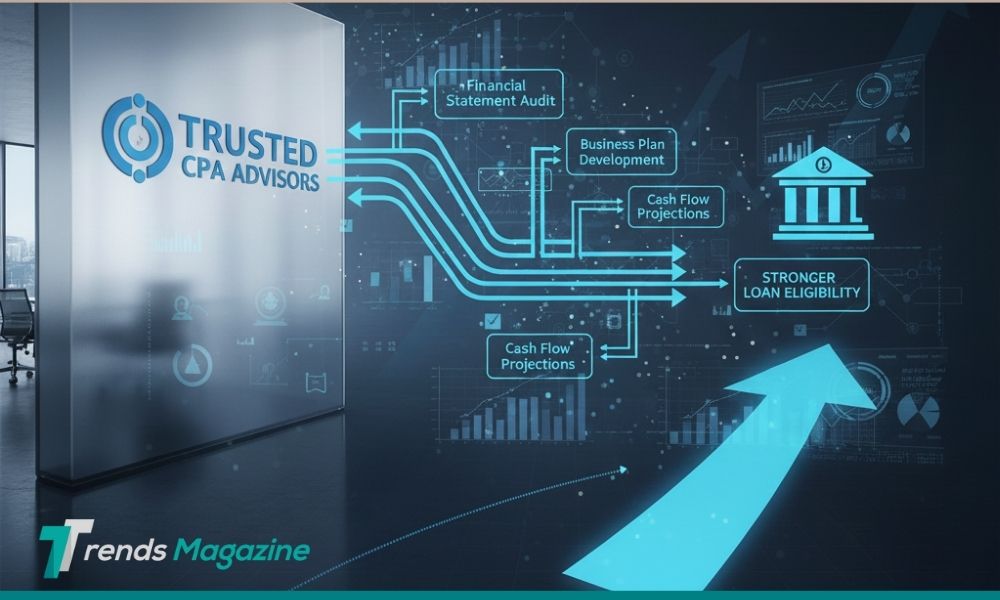
Business lending can feel cold and unforgiving. Lenders judge your business by numbers, not effort or hope. You need clean records, strong proof, and a story that makes sense on paper. An Alpharetta CPA can help you build that strength before you apply. You learn where your business stands, where it is weak, and what lenders will question. Then you fix those gaps with solid reports and clear support. This gives banks less reason to say no and more reason to trust you. You gain control of your loan request, rather than waiting in fear. In this guide, you see how a CPA sharpens your numbers, supports your credit history, and prepares you for tough questions. You walk into the bank ready, steady, and able to back every claim.
Why Lenders Care So Much About Your Numbers
Lenders want one thing. They want to know if you will pay them back on time. They cannot read your mind. They read your records. Your tax returns, bank statements, and financial reports tell your story. If those records are messy or unclear, the lender sees risk. Risk often means a quick no.
You reduce that fear when you show three things.
- Stable income over time
- Controlled expenses
- Reasonable debt compared to profit
The Small Business Administration explains that lenders review cash flow, collateral, and credit history before they approve loans.
How A CPA Turns Raw Data Into A Clear Story
Raw bank data does not help you. Lenders want a clear picture. A CPA turns loose numbers into simple, trusted reports. You gain three key tools.
- Income statement that shows profit or loss for a set period
- Balance sheet that shows what you own and what you owe
- Cash flow statement that shows money coming in and going out
These reports should match your tax returns. They should match your bank records. When they match, lenders relax. When they do not match, lenders step back and question you.
Cleaning Up Records Before You Apply
Many owners wait until a loan request to fix records. That delay hurts you. You do better when you clean things up months before you apply. A CPA helps you in three ways.
- Fixes old errors in your books and tax returns
- Sorts business and personal costs into separate records
- Sets simple rules for how you record sales, bills, and payroll
The Internal Revenue Service explains that strong recordkeeping supports tax returns and reduces problems. You can review their small business recordkeeping tips at this IRS resource on recordkeeping.
Comparing Loan Applications With And Without A CPA
The table below shows how a loan file often looks before and after a CPA review. These are sample differences. Your case will differ. The pattern stays the same. Clarity and proof increase approval odds.
| Loan File Element | Without CPA Support | With CPA Support
|
|---|---|---|
| Financial statements | Missing or home made spreadsheets | Formal income statement, balance sheet, and cash flow |
| Tax returns | Late filings and mismatched figures | On time filings that match financial reports |
| Cash flow proof | Loose bank printouts | Clear cash flow statement with trends |
| Debt coverage | No clear proof you can handle new debt | Simple ratio that shows payment strength |
| Owner pay | Mixed with personal costs | Separate, stable owner salary or draw |
| Business plan | Vague goals and loose numbers | Linked to real past results and clear forecasts |
How A CPA Supports Your Credit Strength
Your credit score matters. Your credit story matters even more. Lenders look at late payments, collection accounts, and high card use. A CPA cannot change your past. A CPA can help you explain it and improve your habits.
You gain support in three key steps.
- Review business and personal credit reports for errors
- Set a payment plan so you pay bills on time every month
- Lower use of credit cards and lines of credit before you apply
When you show steady bill payment and lower debt, lenders see control. They see less risk of missed payments.
Forecasts That Make Lenders Pay Attention
Lenders want to know what comes next. Past results help. Future plans seal the decision. A CPA helps you build simple, honest forecasts that match your real trend. You avoid false hope. You present clear numbers.
Good forecasts include three parts.
- Sales forecast based on real orders or history
- Expense forecast that covers rent, payroll, and materials
- Loan payment schedule built into your cash flow
When your forecast shows that you can pay the loan and still run the business, your request feels safe to the lender.
Preparing You For Tough Lender Questions
Lenders will test you. They may ask why profit dropped last year. They may ask why debt is high. They may ask why owner pay is large. You need clear, calm answers backed by proof. A CPA helps you practice those answers.
You can work through three common lines of questions.
- What happened during weak months and what you changed since then
- Why you need the loan and how it will raise revenue
- How you will handle a slow season and still pay on time
With practice, you walk into the meeting steady and prepared. You do not guess. You point to numbers and written plans.
When To Bring A CPA Into The Process
You should not wait until the bank asks for more documents. You gain more control when you bring in a CPA early. Three key points in time stand out.
- At least three to six months before you plan to apply
- Right after a major change, such as a new location or product line
- When you see cash flow stress and want to avoid late payments
Early help gives you time to fix errors, build better habits, and gather proof. That time often means the difference between approval and rejection.
Taking Your Next Step With Confidence
Business lending will never feel warm. It does not need to feel cruel. When you work with a CPA, you turn a harsh process into a clear test that you can pass. You present clean records. You show honest forecasts. You face questions with calm answers.
You protect your family, your staff, and your future by taking this work seriously. You do not leave a loan decision to chance. You prepare with care. You use expert support. Then you ask for the funding your business needs with courage and proof in hand.
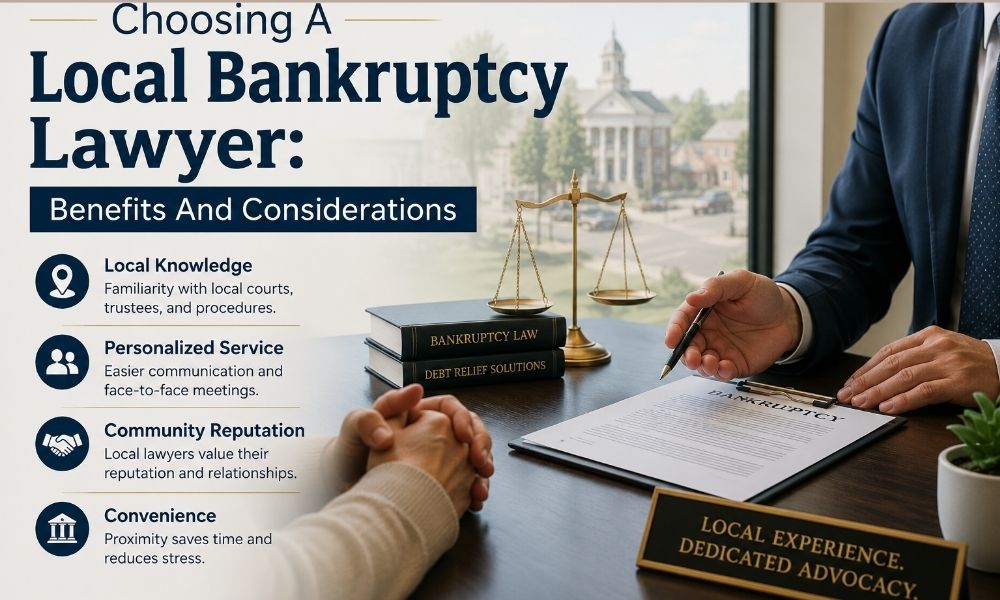
You might be feeling like your financial life is divided into a “before” and an “after.” Before the late notices, before the collection calls, before you started typing “bankruptcy help” into a search bar at midnight. Now you are here, wondering if hiring a local bankruptcy lawyer like Corey L. Mills is worth it, and afraid of making one more decision that could go wrong.end
That mix of shame, confusion, and urgency is very common. You may be thinking, “I never thought I would be in this position,” and at the same time, “I just want this to stop.” Because of that tension, it helps to slow down for a moment and look at what a nearby bankruptcy attorney actually does, when they help, and how to choose one wisely.
In simple terms, working with a nearby bankruptcy lawyer can make the process clearer, safer, and less overwhelming. You get guidance on whether bankruptcy is right for you, which chapter fits your situation, and how to protect as much of your income and property as the law allows. You also avoid common mistakes that can cost you time, money, or even the protection of the court.
So, where does that leave you right now? It means you do not have to decide everything today, but you can learn what to expect and what to look for in a local bankruptcy attorney, then take your next step with more confidence and less fear.
Why is choosing a nearby bankruptcy lawyer different from going it alone?
When you first think about bankruptcy, it can feel like walking into a foreign system where everyone speaks a different language. Terms like “automatic stay,” “means test,” and “exemptions” show up, and you are expected to make serious decisions based on rules you have never seen before.
If you try to handle the process yourself, you will be working inside a court system with strict deadlines, complex forms, and serious consequences if you miss something. The federal courts offer helpful education, for example, through Bankruptcy Basics from the U.S. Courts, yet information alone is not the same as a strategy tailored to your life.
That is where a local bankruptcy attorney can change your experience. A nearby lawyer understands not only federal bankruptcy law, but also how your particular court and trustees operate. For example, a Massachusetts filer can look at this guide to the Massachusetts bankruptcy court and see that each court has its own procedures, expectations, and local rules. A local lawyer works with those rules every day, which can keep your case smoother and less stressful.
So what happens if you choose to go alone or with someone who is not familiar with your court? You may misjudge which chapter to file under. You may claim the wrong exemptions and risk losing property you could have kept. You might overlook documents the trustee will ask for, which can delay or even threaten your case.
What emotional and financial challenges does a local bankruptcy lawyer help with?
Money problems rarely show up in just one area of life. They affect your sleep, your relationships, your work, and your sense of security. Because of that, choosing a local bankruptcy lawyer is not only a legal decision. It is also an emotional one.
Imagine this first scenario. You are behind on credit cards, medical bills, and maybe a personal loan. Collection calls are constant. You do an online search and find general information about bankruptcy, including examples from the New York Eastern District Bankruptcy Court’s learning resources. The information is helpful, but your questions are specific. Can you keep your car? What happens to your co-signer? Will your wages still be garnished? A local lawyer can sit with you, look at your income, debts, and assets, and answer those questions in plain language.
Now, a second scenario. You own a small business, and personal debts are tangled up with business obligations. You might be worried that filing for bankruptcy means losing everything you’ve built. A nearby bankruptcy attorney can explain how different chapters affect business owners and help you see whether there are non-bankruptcy options, or whether a reorganization or liquidation is the better path.
Because of these very real worries, it is easy to either rush into hiring the first person you find or avoid calling anyone at all. Both reactions are driven by stress, not by good information. The goal is to give yourself room to ask questions, compare options, and understand how a local bankruptcy lawyer can reduce risk and give you a clearer plan.
What are the real benefits and tradeoffs of local legal help?
To make this less abstract, it helps to compare three common paths. Handling a case yourself, using a non-local or low-contact service, or choosing a nearby bankruptcy lawyer who practices in your court.
| Option | Typical Benefits | Common Risks | Best Fit For |
|---|---|---|---|
| Do it yourself (no lawyer) | Lowest up-front cost. Full personal control of filings. | High chance of paperwork errors. Risk of losing non-exempt property. Stress of dealing directly with creditors and the court. | Very simple cases with little property and comfort reading legal instructions closely. |
| Non local or low contact service | Some guidance on forms. Often lower fees than full representation. | Limited knowledge of your specific court. Less personal attention. Harder to get help with emergencies or complicated issues. | People who mainly want help filling out forms and have straightforward situations. |
| Choosing a local bankruptcy lawyer | Familiar with local judges and trustees. Tailored advice on exemptions and chapter choice. Representation at hearings. Help dealing with creditors. | Higher cost than doing it yourself. Need to spend time choosing the right person. | Most people with mixed debts, property to protect, or any uncertainty about the process. |
There is no single right path for everyone. Still, for many people, working with a nearby bankruptcy attorney reduces risk and emotional strain enough that the legal fee feels like part of the solution, not an extra burden.
If you are deeply worried about cost, it may help to know that some courts and organizations maintain lists of low-cost or free legal help. For example, the District of Columbia Bankruptcy Court offers information on how to find an attorney, sometimes at no cost. Many areas have similar resources through legal aid offices or bar associations. A local lawyer can often point you toward payment plans or alternatives if traditional fees are out of reach.
What practical steps should you take before you choose a lawyer?
It is easy to feel frozen at this stage. You know you need help, but you are not sure what to do first. Here are three concrete steps you can take right away that do not require any commitment to file.
- Get clear on your financial picture in simple terms
Before you talk to any attorney, gather a short list of information. This does not have to be perfect or detailed. Aim for:
- A rough total of what you owe and to whom, including credit cards, medical bills, personal loans, taxes, and any judgments.
- Your average monthly income from all sources.
- Your regular monthly expenses like rent or mortgage, utilities, food, insurance, and car payments.
- A list of property you own that matters to you, such as your car, home, retirement accounts, or tools you use for work.
This simple snapshot helps any bankruptcy lawyer give you more accurate guidance during an initial conversation, and it helps you feel less scattered when you describe your situation.
- Talk to at least two local bankruptcy attorneys before deciding
You are not “bothering” anyone by asking questions. Initial consultations are often free or low-cost, and they are part of how attorneys build their practice. Aim to speak with at least two nearby lawyers and compare how you feel with each one.
During those conversations, you can ask:
- How many bankruptcy cases do they handle in your court each year?
- Whether they see any red flags or special issues in your situation.
- What their fee covers and what it does not.
- How they prefer to communicate, such as phone, email, or in-person meetings.
Pay attention not only to the answers, but to how you feel. Do you feel rushed or judged? Or do you feel heard and informed? That feeling matters more than many people realize, especially as you move through a process that can already feel exposing.
- Use trusted education resources while you consider your options
While you are deciding whether to hire a nearby bankruptcy attorney, you can also educate yourself using reliable, court-backed sources. These do not replace legal advice, but they help you understand the basic structure so you can ask better questions.
You might start with the federal courts’ Bankruptcy Basics overview to understand what chapters exist and what they do. If you are in a specific area, check your local bankruptcy court’s website for guides, such as the Massachusetts pro se guide or the learning section for the Eastern District of New York. Reading these resources while you talk with attorneys can help you feel more grounded and less at the mercy of a confusing system.
How can you move forward with more peace and less fear?
Financial trouble has a way of making people feel trapped and alone, yet you are far from alone in this. Many people have stood where you are standing now, unsure whether to reach out for help, worried about judgment, and afraid of one more bill. The truth is that talking with a nearby bankruptcy attorney does not lock you into filing. It simply gives you clearer choices.
As you decide what to do, remember this. You are allowed to ask questions. You are allowed to protect your peace of mind. You are allowed to choose support instead of facing creditors and court rules by yourself.
Your next step does not have to be dramatic. It can be as small as gathering your bills into one folder, reading a short court guide, or calling a local office to schedule a conversation. Each of those actions moves you out of fear and toward a plan.
You have already done something hard by seeking information. From here, you can keep going one step at a time, and with the right guidance, you can reach a more stable and livable financial future.

Choosing who handles your taxes is a hard decision. You want someone who protects you, guides you, and does not miss a single detail. A general accountant can record numbers. A CPA carries deeper training, testing, and strict licensing. That difference can protect your money, your business, and your sleep. This blog explains four clear advantages of hiring a CPA instead of a regular accountant. You will see how a CPA can stand up for you with the IRS, plan for your future tax bills, support major life changes, and keep you inside the law. You will also see how local knowledge matters. For example, Pasadena CPAs understand California rules that can trip people up. By the end, you will know what to ask, what to expect, and how to choose the right person to trust with your financial life.
1. Stronger training and licensing
You trust someone with your tax records. That trust should rest on clear proof. A CPA meets strict education rules, passes a tough exam, and holds a state license. A general accountant does not need this license.
CPAs must also complete regular education every year. You get someone who keeps up with new tax laws and reporting rules. That helps you avoid mistakes that lead to bills, letters, or audits.
The National Association of State Boards of Accountancy explains common CPA standards at this page. You can review those rules and see how they differ from basic accounting work.
Here is a simple comparison.
| Feature | CPA | General Accountant
|
|---|---|---|
| State license required | Yes | No |
| Uniform CPA Exam | Required | Not required |
| Continuing education | Required by law | Optional |
| Audit financial statements | Allowed | Not allowed |
| IRS representation rights | Unlimited | Limited |
You would not let an unlicensed driver take your family on a long trip. In the same way, you should expect real proof that your tax adviser meets strict standards.
2. Stronger protection during IRS problems
Letters from the IRS can shake any person. A past return might have an error. A form might be missing. A notice might claim that you owe more than you can pay.
CPAs can stand in front of you during these hard moments. The IRS grants CPAs full rights to represent you in audits, payment plans, and appeals. A general accountant has narrow rights. That gap matters when pressure rises.
A CPA can
- Review letters and notices and explain them in plain words
- Talk with the IRS for you so you do not face calls alone
- Help set payment plans if you owe taxes
- Correct past returns when needed
The IRS explains who can represent you here. That page lists CPAs along with attorneys and enrolled agents. You gain someone the IRS already recognizes.
This protection supports you during tax audits. It also encourages better records from the start, because CPAs know what an examiner will ask.
3. Better planning for life changes
Taxes do not sit still. Your life changes. Your tax needs change with it. Marriage, divorce, a new child, a home purchase, or a move across state lines can all change your tax bill.
A CPA can plan ahead with you. You do not wait for tax season. You talk before big choices. That way you see the trade offs and choose your path with clear eyes.
Common life events where a CPA helps include
- Starting a small business or side income
- Buying or selling a home
- Paying for college
- Planning for retirement income and Social Security timing
- Receiving an inheritance
You gain three main benefits. You lower surprise tax bills. You reduce the chance of missing credits. You align your money choices with your personal goals.
A general accountant often focuses on past records. A CPA focuses on both past and future. That forward view gives your family more control.
4. Stronger trust and legal duty
Trust is not soft. It rests on clear duties. CPAs must follow a strict code of conduct and can lose their license if they abuse that duty. That pressure protects you.
CPAs must
- Protect your private records
- Refuse to sign returns they believe are false
- Disclose conflicts of interest
This duty shapes daily choices. A CPA is less likely to suggest risky moves that might look good for one year then harm you later. You get advice that respects both your short term needs and your long term safety.
That sense of duty also supports family talks. You can bring a spouse or older child to meetings. You can ask hard questions about debt, savings, or retirement. You can expect honest, direct answers.
How to choose the right CPA for your needs
Once you decide to hire a CPA, you still need to choose the right person. You can use a simple rule of three.
First, check the license. Your state board of accountancy keeps records of active licenses and any public discipline. You can search those records and confirm that the person you meet is in good standing.
Second, review the focus of the CPA. Some focus on large companies. Some focus on small business owners. Others focus on families and retirees. Choose someone who often works with people like you.
Third, ask clear questions.
- How often do you handle IRS letters and audits
- How will we stay in touch during the year
- What records do you need from me
- How do you set your fees
You should leave the first meeting with three feelings. You should feel heard. You should feel informed. You should feel calmer than when you walked in.
Conclusion
Your tax returns shape more than one date on the calendar. They touch your savings, your home, your business, and your sense of safety. A general accountant can record what already happened. A CPA can protect you, plan with you, and stand up for you when things go wrong.
By choosing a CPA, you gain stronger training, full IRS representation, better planning for life changes, and a higher duty of care. Those four advantages give you and your family steadier ground. You deserve that level of support when you place your financial life in someone else’s hands.

You work hard for your money. Regular talks with a CPA protect it. Many people only call during tax season. That choice often leads to missed chances, surprise bills, and quiet stress that grows all year. Ongoing check ins with a trusted CPA in Sarasota, FL give you steady guidance when laws change, when life shifts, and when your plans feel unclear. You gain clear answers before problems grow. You also gain simple steps you can act on right away. Year round support can cut tax shocks, stop small mistakes, and uncover savings you might never see alone. It can also keep your records clean so audits feel less scary. This blog explains four strong advantages of regular CPA consultations throughout the year so you know what to expect, what to ask, and how to use that support to protect your income and your peace of mind.
1. You stay ahead of tax changes
Tax rules shift often. You feel the cost when you learn about a change after it hits your wallet. Regular talks with a CPA help you adjust before that happens.
The IRS updates forms, limits, and credits each year. You can track some of this on the IRS Newsroom page. Yet it is hard to match each change to your own life. A CPA listens to your story and points to what matters for you, your spouse, or your kids.
During the year, you can use check-ins to review:
- New credits for children, students, or energy upgrades
- Changes to retirement contribution limits
- Shifts in rules for small side jobs or gig work
Each talk gives you time to adjust paychecks, update forms at work, and set up better record-keeping. You do not scramble in March. You walk into tax season ready.
2. You cut surprise tax bills and penalties
Large tax bills do more than drain savings. They create shame, fear, and tension in your home. Regular CPA visits help you see those shocks coming while there is still time to act.
Here is a simple comparison of one tax season visit and year-round support.
| Approach | What usually happens | Risk to you
|
|---|---|---|
| One visit at tax time | CPA reports what already happened that year | Higher chance of a big bill or missed refund |
| Quarterly check ins | CPA reviews income, withholdings, and life changes | Lower chance of surprise taxes or late fees |
| Monthly or life event check ins | CPA adjusts plan when you change jobs, move, or start a side job | Strong control of cash flow and fewer shocks |
During the year, your CPA can help you:
- Raise or lower tax withholding on your paycheck
- Set up or change estimated tax payments if you are self-employed
- Respond fast to IRS letters instead of letting fear grow
That guidance helps you avoid late payment penalties and interest. It also lowers stress in your home and gives you a clear plan when money feels tight.
3. You use life changes to your benefit
Life does not follow the tax calendar. You marry, divorce, move, or care for aging parents when life demands it. Each change affects your money and your taxes. Regular CPA talks help you use those shifts instead of feeling pushed by them.
Three common life changes show why steady support matters.
- New job or raise. Your income climbs. Without a plan, your tax bill can spike. A CPA can help you adjust your W 4, pick the right benefits, and start or grow retirement savings.
- Birth or adoption. A new child brings love and cost. It can also bring tax credits. Your CPA can explain how to claim a child, use the Child Tax Credit, and track care or education costs over time.
- Starting a side job or small business. Extra income feels good. Poor record-keeping turns that joy into dread. A CPA can set up a simple system for tracking income and costs so tax time is clear and clean.
You can read basic guidance on life events and taxes from the IRS at the IRS Tax Topic 304 page. A CPA turns that general advice into steps that fit your life. You then face each change with less fear and more control.
4. You build a steady plan for savings and goals
Taxes and long-term goals are tied. Regular CPA visits help you see that link. You can then use the tax code to support the life you want, not just to avoid trouble.
During ongoing talks, a CPA can help you:
- Choose between traditional and Roth retirement accounts
- Plan for college costs for your children or grandchildren
- Prepare for long-term care needs for yourself or your parents
The U.S. Securities and Exchange Commission and other agencies share basic saving tips, yet those guides are broad. Your CPA looks at your income, family size, debt, and health needs. Then you work together to set three clear pieces.
- A short-term plan for the next year
- A mid-term plan for the next three to five years
- A long-term plan for retirement and aging
Each visit lets you check progress, adjust for new facts, and protect both your goals and your sense of safety.
Putting regular CPA consultations to work
Regular CPA talks are not a luxury for the wealthy. They are a shield for everyday families who want less fear and more control. You can start small.
First, set one meeting now, not during tax rush. Bring pay stubs, last year’s return, and a list of worries. Second, ask how often you should meet based on your job, family, and side work. Third, commit to the schedule. Treat it like a medical check-up for your money.
Steady support from a CPA will not remove every hard thing in life. It will give you clear sight, fewer shocks, and more room to breathe. You deserve that peace all year, not just in tax season.

What Evidence Strengthens a Restaurant Slip and Fall Claim in Birmingham?

Why Truck Accident Claims Are More Complicated Than Car Accidents

BMW Wheels and Alloys: Sizes, Fitments and What to Check Before Buying Used

Grace Fan Devito: The Quiet Power Behind Danny DeVito’s Daughter 2024

Linda Susan Agar: A Visionary Leader Shaping the Future of the Technology Industry 2024

The Rise of AI in Fashion: How Technology is Redefining Style in 2025
-
 ENTERTAINMENT2 years ago
Grace Fan Devito: The Quiet Power Behind Danny DeVito’s Daughter 2024
-
 CELEBRITY2 years ago
Linda Susan Agar: A Visionary Leader Shaping the Future of the Technology Industry 2024
-
 FASHION2 years ago
The Rise of AI in Fashion: How Technology is Redefining Style in 2025
-

 FASHION2 years ago
Make1M.com Luxury Watches: Timeless Elegance Meets Financial Freedom
-

 CRYPTO2 years ago
eCrypto1.com Crypto Wallets: The Ultimate Guide to Secure and Efficient Cryptocurrency Storage 2025
-

 CELEBRITY2 years ago
The Life and Legacy of Harlow Andrus: A Journey of Heritage and Inspiration 2024
-

 CELEBRITY2 years ago
The Viral “Emiru Handbra” Moment: How It Became a Stunning Social Media Sensation in 2024
-

 CELEBRITY2 years ago
Matt Danzeisen: The Quiet Yet Powerful Figure Behind Peter Thiel’s Success 2024