
HEALTH
How Periodontal Therapy Prepares Patients For Orthodontics

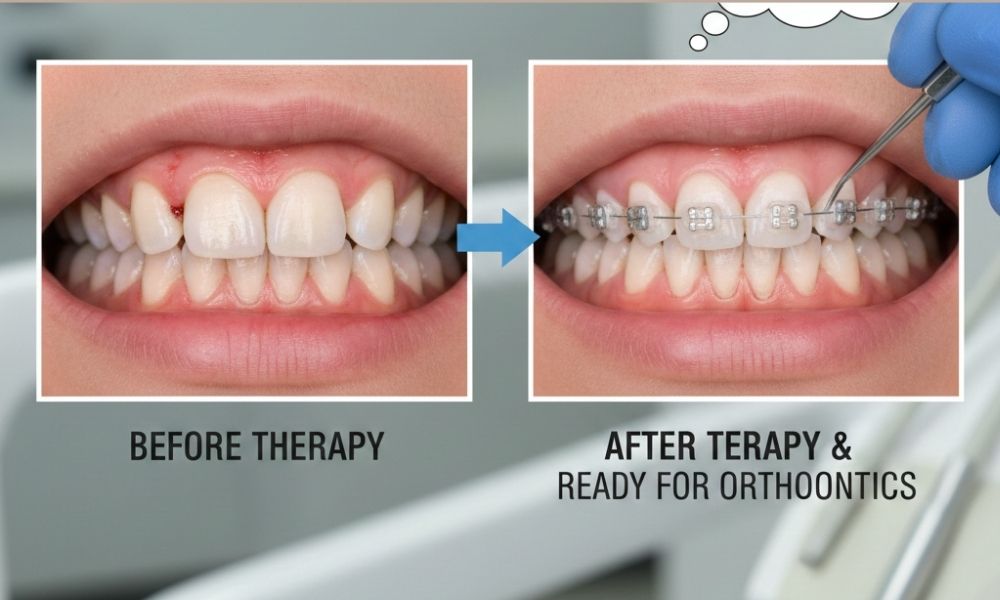
Healthy gums must come first. Orthodontic treatment on weak or infected gums can cause pain, loose teeth, and long recovery. That is why periodontal therapy comes before braces or aligners. It cleans deep around your teeth, removes hidden plaque, and calms swollen tissue. Then your mouth can handle the pressure of tooth movement. You breathe easier. You chew with less strain. You also lower your risk of future tooth loss. An orthodontist in Naperville will look at your gums before placing any brackets or trays. If there is bleeding, bone loss, or bad odor, you will likely need periodontal care. This step can feel slow when you want straight teeth now. Yet it protects your smile, your time, and your money. You deserve treatment that does not just move teeth. It should build a stable, strong mouth that lasts.
Why Gum Health Matters Before Braces
Teeth do not stand alone. They sit in bone and gum tissue. When this support breaks down, teeth shift, loosen, and hurt.
Gum infection, called periodontal disease, is common. The Centers for Disease Control and Prevention reports that almost half of adults over 30 show signs of it.
You might notice:
- Red or puffy gums
- Bleeding when you brush or floss
- Bad breath that does not go away
Braces or aligners put steady force on teeth. Without strong gums, that force can speed up damage. You may lose bone, feel loose teeth, and need more dental work later.
What Periodontal Therapy Does For You
Periodontal therapy is a set of treatments that clean below the gumline and help your body heal.
Common steps include:
- Deep cleaning of tooth roots
- Removal of plaque and hardened tartar
- Smoothing root surfaces so bacteria cling less
Sometimes your dentist may add medicine in the pockets around teeth. In some cases, surgery can reshape gums or bone. The National Institute of Dental and Craniofacial Research explains gum treatment options here NIDCR Gum Disease Treatment.
After treatment, you often see three changes. Your gums bleed less. Your breath smells cleaner. Your teeth feel steadier when you bite.
How Healthy Gums Support Orthodontic Treatment
You want straight teeth that last. Healthy gums give that chance. They help in three clear ways.
- Stronger support. Clean roots and healthy bones hold teeth steady while they move.
- Lower risk of tooth loss. Infection weakens bone. Treating it first cuts that risk.
- Better comfort. Less swelling means less soreness when braces start to move teeth.
Orthodontic force then works with your body, not against it. Movement becomes more controlled. Results remain more stable after treatment ends.
Comparing Outcomes With And Without Periodontal Therapy
This simple table shows how untreated gum disease can change your orthodontic journey compared to treated gums.
| Factor | Untreated Gum Disease | After Periodontal Therapy
|
|---|---|---|
| Gum health | Red, swollen, bleeding | Firm, less bleeding |
| Bone support | Ongoing loss and shrinkage | Stabilized with slower loss |
| Tooth stability | Higher risk of loose teeth | Teeth feel more secure |
| Orthodontic comfort | More soreness and pressure pain | More controlled and tolerable |
| Treatment time | More delays and extra visits | Fewer setbacks and smoother progress |
| Long term results | Higher chance of shifting and tooth loss | Better chance of stable, lasting alignment |
What To Expect Before You Start Braces Or Aligners
Your care team will walk through three main steps before orthodontic treatment.
- Gum and bone check. The dentist or periodontist measures gum pockets, checks for bleeding, and reviews X rays.
- Periodontal treatment plan. You may need deep cleanings, follow-up cleanings, and brushing and flossing changes at home.
- Healing time. Your gums need time to calm. You return for a recheck. If pockets shrink and bleeding drops, you are closer to braces.
This process may feel slow. Yet it protects you from sudden pain and emergency care during orthodontic treatment.
How You Can Support Healing At Home
Your daily habits matter as much as office treatment. You can protect your gums with three steady steps.
- Brush twice a day with fluoride toothpaste
- Clean between teeth with floss or a small brush
- Keep regular dental visits for cleanings and checks
If you smoke, quitting helps your gums heal and hold teeth in place. Limiting sugary drinks and snacks also lowers plaque growth.
Working As A Team For A Safe, Straight Smile
You, your dentist, your periodontist, and your orthodontist form one team. Each brings a different skill. You bring daily care and honest answers about your habits. Your providers bring training and clear guidance.
When you treat gum disease before orthodontics, you reduce fear and surprise. You gain a cleaner mouth, stronger support, and a higher chance of keeping your straight smile for many years.

Your mouth affects how you eat, speak, and connect with people every day. When something feels off, you may jump straight to specialists or cosmetic fixes. That path often leads to confusion, higher costs, and missed root causes. General dentistry gives you a clear starting point. It looks at your whole mouth, not just one tooth. It finds problems early, treats them quickly, and helps you avoid painful crises. A strong general dentist becomes your main guide. This person tracks changes, explains options in plain words, and steers you to specialists only when you truly need them. At a trusted dental practice in Fresno, general dentistry is the ground floor for your oral health. It protects your teeth. It protects your gums. It protects your peace of mind. When you start with general care, every next step becomes safer, simpler, and more effective.
General dentistry as your home base
You need one place that knows your full story. General dentistry gives you that home base. It links your daily habits, past treatment, and current needs into one clear plan.
General dentists:
- Review your health history and medicines
- Check your teeth, gums, tongue, and jaw at each visit
- Watch for signs of decay, infection, and oral cancer
The Centers for Disease Control and Prevention reports that tooth decay affects most adults. Regular general visits keep that damage from spreading. You catch problems while they are small. You avoid rushed treatment later.
How general dentistry supports full oral care
Comprehensive oral care means three simple things. You prevent disease. You treat problems early. You keep results steady over time. General dentistry touches each step.
You can expect three core services at most general offices.
- Checkups to find changes in teeth, gums, and bite
- Cleanings to remove plaque and hardened tartar
- Basic treatment such as fillings and simple extractions
These steps may sound small. They are not small. They block painful infections. They lower your risk of tooth loss. They also give your dentist a record of how your mouth changes with age, stress, and illness.
Why you should start here before seeing a specialist
Specialists play an important role. You might need an orthodontist for braces, a periodontist for gum surgery, or an oral surgeon for complex work. You just should not start there.
Your general dentist helps you in three key ways before any referral.
- Sorts symptoms that look urgent from ones that can wait
- Checks for simple causes such as clenching or a cavity
- Shares your records and x rays so the specialist does not start blind
This path saves you time and money. It also reduces stress. You know someone you trust is leading the process.
Comparing general dentistry and specialist care
The table below shows how general dentists and specialists usually support you. Both matter. They just serve different first steps.
| Type of care | Main focus | Typical services | Best first step for new concern
|
|---|---|---|---|
| General dentistry | Full mouth health and prevention | Exams, cleanings, fillings, basic extractions, x rays | Yes. Start here for pain, sensitivity, or routine checks. |
| Orthodontics | Tooth and jaw alignment | Braces, clear aligners, bite correction | No. Go after your general dentist reviews crowding or bite issues. |
| Periodontics | Gum and bone support | Advanced gum treatment, gum surgery, implants support | No. Go when your general dentist finds deep gum disease. |
| Endodontics | Tooth nerve and root | Root canals, complex tooth pain treatment | No. Go when your general dentist confirms nerve involvement. |
| Oral surgery | Complex mouth and jaw procedures | Impacted teeth, jaw surgery, some implants | No. Go when your general dentist sends you for advanced work. |
The power of routine visits
You may wait for pain before you call. That choice carries risk. Small cavities grow. Mild gum bleeding turns into bone loss. Infections spread. Routine visits lower that risk.
During a standard visit, your dentist and hygienist can:
- Measure gum pockets to spot early gum disease
- Check for white or red patches that may signal oral cancer
- Review brushing and flossing habits without blame or shame
The National Institute of Dental and Craniofacial Research notes that untreated decay is common in working-age adults. Regular cleanings and exams cut that number. You gain control instead of waiting for a crisis.
General dentistry for children, adults, and older adults
Every age group needs a different focus. General dentistry adjusts without sending you to new offices each time.
For children, the goals are simple.
- Build trust so visits feel safe
- Guide tooth eruption and jaw growth
- Teach brushing, flossing, and snack choices
For adults, the focus shifts.
- Manage stress related grinding and clenching
- Plan for fillings, crowns, or replacements when needed
- Watch for early signs of gum disease and oral cancer
For older adults, new needs show up.
- Address dry mouth from medicines
- Maintain dentures or implants
- Protect remaining teeth to support chewing and speech
How to get the most from your general dentist
You can strengthen this partnership with three simple steps.
- Keep a list of questions about pain, sensitivity, or changes in your mouth
- Share updates about new medicines or health conditions
- Schedule regular checkups and keep them, even when you feel fine
Honest talk matters. Tell your dentist if you feel fear, shame, or money pressure. A good office will work with you. You may be able to space treatment, focus on the most urgent work first, or use payment plans.
Taking your first step today
You do not need a perfect smile to start. You just need that first general visit. From there, you and your dentist can build a clear plan. You can choose which problems to face now, which to watch, and which need a specialist later.
General dentistry gives you structure in a time that often feels chaotic. It turns random pain and worry into a step-by-step path. It protects your health. It supports your daily life. It keeps every other part of oral care grounded in what you truly need.
Healthy teeth protect more than your smile. They shape how you eat, speak, and feel about yourself. Every year, your family sets goals for school, work, and money. You should treat your teeth the same way. Clear dental goals keep small problems from turning into painful emergencies. They also cut surprise costs and stress. This blog shares five simple preventive goals you can set and track as a family. Each one fits into busy schedules. Each one helps you avoid cavities, infections, and tooth loss. A Lorton family dentist can support these goals with steady checkups and honest guidance. You bring daily habits at home. Your dental team brings tools and training. Together, you build a plan that protects your children and supports you as you age. You deserve a calm, steady approach that keeps your family safe and strong all year.
Goal 1: Brush and Floss the Same Way Every Day
Strong teeth start in your bathroom, not the clinic. You need a set routine that no one skips.
Set this yearly goal
- Brush twice each day for two minutes
- Floss once each day
- Use fluoride toothpaste
Teach children with clear steps
- Use a pea sized amount of toothpaste
- Move the brush in small circles at the gum line
- Spit out foam and avoid rinsing right away so fluoride can work
Older adults in your home may need help if they have stiff hands or memory loss. You can set alarms, use electric brushes, or post a simple checklist by the sink.
Goal 2: Schedule and Keep Two Checkups for Everyone
Routine care is more effective after treatment. You avoid painful surprises when you stay ahead of problems. The American Dental Association supports regular cleanings and exams to remove plaque, spot decay, and check for oral cancer.
Set this yearly goal
- Book two visits for each family member during the first month of the year
- Pick the same months every year so it becomes a pattern
- Use reminder texts and shared calendars so no one misses a visit
During each visit, ask three direct questions
- What is my biggest risk right now
- What can I change at home
- What should we watch for at the next visit
Goal 3: Use Fluoride and Sealants to Protect Children
Children have softer enamel and often snack more. Their back teeth are harder to clean and decay faster. Simple treatments lower that risk.
Set this yearly goal
- Talk with the dentist about fluoride varnish for each child
- Ask if sealants are right once permanent molars appear
- Check that your home water has enough fluoride
The Centers for Disease Control and Prevention explains how sealants prevent most decay in molars.
Here is a simple comparison for school-age children
| Protection step | What it does | Estimated decay reduction in molars
|
|---|---|---|
| Brushing with fluoride toothpaste | Strengthens enamel and slows early decay | About 20 to 30 percent |
| Fluoride varnish in the clinic | Coats teeth with strong fluoride for extra strength | About 30 to 40 percent |
| Sealants on permanent molars | Blocks food and germs from deep grooves | Up to 80 percent |
These numbers vary for each child. Yet the pattern is clear. Layered steps give more protection and fewer cavities.
Goal 4: Set Simple Food Rules for Teeth
Your mouth is part of your body. Food that hurts your body also hurts your teeth. Sugar and constant snacking feed the germs that cause decay.
Set this yearly goal
- Limit juice and soda to rare treats
- Offer water or plain milk with meals
- Keep sweets with meals instead of as all-day snacks
Use the rule of three for snacks
- Choose whole fruits over fruit snacks or gummies
- Pick cheese, nuts, or yogurt instead of candy
- Keep raw veggies ready so children can grab them fast
When your family does have sweets, drink water after. You can also have children chew sugar-free gum with xylitol if they are old enough to chew safely. That helps your mouth clear sugar faster.
Goal 5: Plan for Emergencies Before They Happen
Even with strong habits, accidents happen. A fall on the playground. A cracked tooth on a popcorn kernel. You stay calmer when you have a clear plan.
Set this yearly goal
- Post your dentist’s phone number on the fridge and in your phone
- Know which urgent care or hospital you would use at night
- Keep a small dental kit at home with clean gauze and a small container with a lid
Share these quick steps with older children
- If a permanent tooth gets knocked out, pick it up by the crown, not the root
- Rinse gently with clean water if dirty
- Place it in milk or in the person’s cheek and call the dentist at once
When you know what to do, fear drops. You act fast. You give your dentist the best chance to save the tooth.
Turn These Goals into a Family Habit
Pick a date each year to review these five goals. You can use the first week of school, the start of the calendar year, or a birthday month. You can track progress with a simple chart on the wall.
Focus on three steps to keep everyone on track
- Set clear rules for brushing, flossing, and snacks
- Use the same dentist for steady care
- Review and reset goals when life changes
Steady action protects your teeth, lowers your stress, and cuts your costs. Your family deserves that kind of quiet strength every year.
Your smile affects how you eat, speak, and face each day. When you change it, you should feel safe and sure. Family dentistry gives you that security. You see one trusted team for cleanings, fillings, whitening, and aligners. You also have a clear plan for a dental emergency in Glen Ridge, NJ. That consistency protects your health. It also keeps your treatment honest and focused on what you need. You learn what is happening in your mouth. You understand each option, cost, and risk. You feel prepared before any change starts. Family dentists track your history, your habits, and your fears. Then they shape care that fits you, not a trend. That mix of routine checkups, steady guidance, and quick help in a crisis creates safe, effective smile changes. You do not chase promises. You build a strong smile step by step.
Why One Family Dentist Matters For Every Age
Family dentistry keeps care in one place. You bring your child, your partner, and your parent to the same office. The team knows your story. They see patterns that a new clinic might miss.
This approach helps you because the dentist can:
- Watch how teeth grow and move over the years
- Spot risks early, such as grinding or gum disease
- Plan changes that match your health, not fast trends
The National Institute of Dental and Craniofacial Research explains that early and regular care lowers the chance of severe tooth loss. A family dentist uses the same steady care before and after any smile change.
Safety First Before Any Smile Change
Every smile change carries some risk. A family dentist lowers that risk with clear steps.
You can expect three key safety checks:
- Full health review. You share medicines, health history, and past dental work.
- Gum and bone check. The dentist checks for infection, bone loss, and loose teeth.
- X rays and photos. These show hidden decay, cracks, and root problems.
The dentist then tells you if your mouth can handle whitening, aligners, veneers, or other changes. If something is not safe, you hear that truth. This clear talk protects you from pain and regret.
Step by Step Care Before, During, and After Treatment
Safe smile changes follow a simple plan. You move in stages, not leaps.
Most plans use this rule of three:
- Prepare. Treat cavities, clean gums, and fix infections first.
- Transform. Start with whitening, bonding, aligners, or crowns.
- Protect. Use night guards, cleanings, and checkups to keep results steady.
The Centers for Disease Control and Prevention notes that regular cleanings and checkups help stop decay and gum disease. A family dentist builds that same routine into every smile change plan.
Comparing Common Smile Treatments
You face many choices. This table gives a simple overview to help you talk with your family dentist.
| Treatment | Main Goal | Typical Time | Key Safety Checks | Ongoing Care Needed
|
|---|---|---|---|---|
| Teeth whitening | Lighten tooth color | 1 to 3 visits | Check for decay and sensitive teeth | Touch ups and fluoride care |
| Dental bonding | Repair chips and gaps | 1 visit | Check bite and crack risk | Check for wear and staining |
| Clear aligners | Straighten teeth | Months to a few years | Gum health and bone strength | Retainers and regular checks |
| Crowns | Strengthen weak tooth | 2 to 3 visits | Root health and bite fit | Flossing and checkups |
| Veneers | Change tooth shape and color | 2 to 3 visits | Enamel thickness and grinding | Night guard if you grind |
Your family dentist helps you read this chart in the context of your own mouth. You do not pick from a menu. You choose what fits your health and your budget.
How Family Dentistry Handles Emergencies
Smile changes do not stop life from happening. A fall, a broken tooth, or sudden pain can hit at any time. When you already know your family dentist, you do not lose time searching for help.
In an urgent moment, the office can:
- Pull up your records fast
- See what work you just had
- Adjust your smile plan without starting over
This quick response protects your new crowns, aligners, or bonding. It also protects your peace of mind. You feel seen as a person, not as a one-time visit.
Protecting Your Results at Home
Safe, effective smile changes depend on what you do every day. Your dentist can guide you, yet your habits decide how long results last.
Simple steps help:
- Brush two times each day with fluoride toothpaste
- Floss once each day to clean between teeth
- Use a mouthguard if you play sports or grind your teeth
These small acts reduce decay and gum disease. They also protect any new dental work from early damage.
When to Talk With a Family Dentist About a Smile Change
You do not need to wait until you feel unhappy with your teeth. You can bring up smile changes during any routine checkup.
Good times to ask include when you:
- Notice stains that do not clear with cleaning
- Hide your smile in photos
- Feel tightness or crowding that makes cleaning hard
Your family dentist can then link your goals to a safe plan. You hear what can change, what must stay as it is, and how long each step may take.
Moving Forward With Calm, Informed Choices
Smile changes should never feel like a gamble. With family dentistry, you gain one steady team, clear safety checks, and real talk about cost, time, and risk. You trade quick promises for careful steps. You also gain a partner who will see you through routine care, planned changes, and sudden problems.
When you are ready to talk about your smile, start with a simple question at your next family visit. Ask what is healthy to change and what is best to protect. Then you can move toward a safe, effective smile transformation with confidence, not fear.

Why General Dentistry Is The Best First Step In Comprehensive Oral Care

5 Preventive Dental Goals Families Should Set Each Year

How Family Dentistry Ensures Safe, Effective Smile Transformations

Linda Susan Agar: A Visionary Leader Shaping the Future of the Technology Industry 2024

Make1M.com Luxury Watches: Timeless Elegance Meets Financial Freedom

eCrypto1.com Crypto Wallets: The Ultimate Guide to Secure and Efficient Cryptocurrency Storage 2025
-
 CELEBRITY1 year ago
Linda Susan Agar: A Visionary Leader Shaping the Future of the Technology Industry 2024
-
 FASHION1 year ago
Make1M.com Luxury Watches: Timeless Elegance Meets Financial Freedom
-
 CRYPTO1 year ago
eCrypto1.com Crypto Wallets: The Ultimate Guide to Secure and Efficient Cryptocurrency Storage 2025
-

 CELEBRITY1 year ago
The Life and Legacy of Harlow Andrus: A Journey of Heritage and Inspiration 2024
-

 CELEBRITY1 year ago
The Viral “Emiru Handbra” Moment: How It Became a Stunning Social Media Sensation in 2024
-

 FASHION1 year ago
McKinzie Valdez: Journey from Social Media Star to Entrepreneur 2024
-

 CELEBRITY1 year ago
Matt Danzeisen: The Quiet Yet Powerful Figure Behind Peter Thiel’s Success 2024
-

 CELEBRITY1 year ago
Deja Jackson, Ice Cube’s daughter, basketball career, biography 2024