
HEALTH
Why Cosmetic Dentistry Is Stronger With A Foundation Of Preventive Care

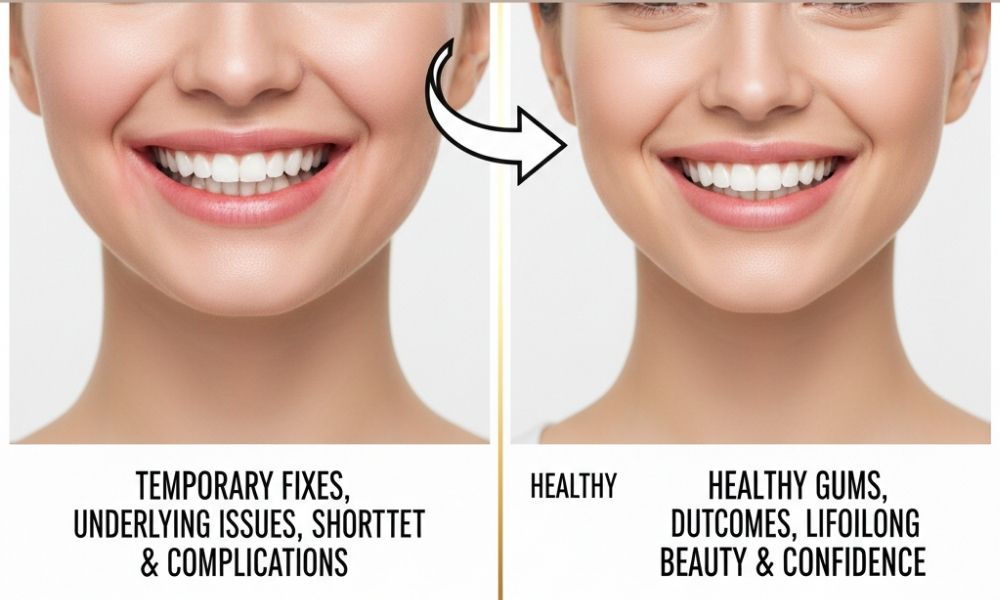
A brighter smile starts long before veneers or whitening. It starts with steady habits and honest checkups. You might want fast cosmetic fixes. Yet without strong teeth and healthy gums, cosmetic work can chip, stain, or fail. Preventive care gives every cosmetic choice a stronger base. Regular cleanings remove buildup. Early exams catch small problems before they spread. Simple home care keeps new dental work steady and clean. As you plan a smile change, you need a partner who looks past quick results. A dentist in Hackensack NJ can first protect your mouth, then shape how it looks. This order matters. Strong health supports strong beauty. This blog explains why cleanings, x rays, and early treatment must come before cosmetic work. It shows how prevention saves money, protects comfort, and keeps your new smile steady for many years.
Cosmetic work fails without healthy teeth and gums
You may see perfect smiles online and feel pressure to fix every flaw fast. Yet every crown, veneer, or bonding piece must sit on living tissue. If that tissue is weak, the cosmetic work loses strength.
Here is what often happens when you skip prevention:
- Veneers break because decay grows under them
- Whitened teeth stain faster because plaque stays on the surface
- Crowns feel sore because gum disease stays untreated
The Centers for Disease Control and Prevention explains that untreated decay and gum disease are common in adults. When these problems stay hidden, they weaken any cosmetic step you choose.
Preventive care protects your cosmetic investment
Cosmetic treatment costs time and money. You deserve results that last. Preventive care acts like a strong base under a house. It holds everything steady.
Three core habits protect cosmetic work:
- Professional cleanings on a set schedule
- Checkups with x rays when needed
- Daily brushing and flossing at home
Each step delays decay and gum disease. Each step also protects the edges and surfaces of cosmetic materials. That keeps chips, stains, and rough spots away longer.
How prevention and cosmetic dentistry work together
Think of prevention and cosmetic care as a sequence. One must come first. Then the other can succeed.
| Step | Preventive focus | Cosmetic focus | Why order matters
|
|---|---|---|---|
| 1. First visit | Review health history and habits | Discuss smile goals | Links health limits with safe cosmetic choices |
| 2. Exam and x rays | Find decay, cracks, infection | Plan where cosmetic work can go | Prevents placing cosmetic work over hidden disease |
| 3. Cleaning | Remove plaque and tartar | See true color and shape of teeth | Supports better color matching and design |
| 4. Treatment of problems | Fill cavities and treat gum disease | Delay cosmetic steps until healing | Secures a strong base for veneers or crowns |
| 5. Cosmetic work | Protect tooth structure during work | Place veneers, bonding, whitening, or crowns | Builds beauty on health, not on damage |
| 6. Maintenance | Regular cleanings and checkups | Touch ups or minor repairs when needed | Keeps the cosmetic work steady and clean |
What preventive care includes
Preventive care is not complex. It is steady and clear. It usually includes three groups of steps.
First, professional care:
- Cleanings to remove tartar you cannot brush away
- Exams to watch for early signs of decay
- X-rays to see between teeth and under old fillings
Second, home care:
- Brushing twice a day with fluoride toothpaste
- Flossing once a day to clean between teeth
- Using mouth rinse if your dentist suggests it
Third, daily choices:
- Limiting sugary drinks and snacks
- Drinking water often
- Not using tobacco
The National Institute of Dental and Craniofacial Research shares clear tips on brushing, flossing, and diet.
Cost and time: prevention versus repair
Preventive care often feels like one more task. Yet skipping it leads to more visits, more cost, and more stress.
| Type of care | Typical visit length | General cost pattern | Effect on future cosmetic work
|
|---|---|---|---|
| Routine checkup and cleaning | About 45 to 60 minutes | Lower | Prepares teeth and gums for safe cosmetic choices |
| Filling for early cavity | About 30 to 45 minutes | Moderate | Prevents larger damage that could ruin veneers or bonding |
| Root canal and crown | Often two visits | Higher | Repairs severe damage that may limit cosmetic options |
| Treatment for gum disease | Several visits | Higher | Gums must heal before cosmetic work can start |
Regular prevention keeps you in the first row of this table. That path frees money and time for safe cosmetic care instead of urgent repair.
How preventive care shapes better cosmetic results
Healthy teeth and gums give cosmetic work a cleaner canvas. That leads to stronger and more natural results.
Here are three clear gains from a prevention-first approach:
- Color match improves because stain and tartar are gone before whitening or veneers
- Fit improves because gums are not swollen or infected
- Comfort improves because sensitive spots receive care before cosmetic work starts
You also gain trust. When your dentist explains what must heal first, you see that your long-term well-being comes before quick looks. That calm pace often lowers fear and tension during visits.
Steps you can take before cosmetic dentistry
You can start today, even if you already plan cosmetic care.
First, schedule a full checkup and cleaning. Ask for an honest review of decay, gum health, and old fillings.
Second, ask three direct questions:
- What must we fix before any cosmetic work
- How long should we wait after treatment before we start cosmetic steps
- What home habits will protect my future cosmetic work
Third, follow through. Keep every visit. Keep brushing and flossing. Keep your diet steady. Each small step holds up your future smile.
Strong health, strong smile
You deserve a smile that feels strong and looks clean. Cosmetic dentistry can help. It works best when prevention comes first. Regular cleanings, early treatment, and steady home care protect your mouth. Those same steps protect the money, time, and hope you place in cosmetic treatment.
When you build cosmetic dentistry on a foundation of preventive care, you give your new smile a better chance to last. You also protect your comfort and your peace of mind for many years.

Planning braces for more than one child can feel like a puzzle. You want straight teeth for each child. You also want steady costs, fewer visits, and less chaos at home. Careful growth tracking gives you a clear picture. You see when each child’s jaws and teeth change. You also see when treatment should start, pause, or finish. This helps you avoid rushed choices and long delays. It also lets you plan treatment in a way that respects school, sports, and family plans. In Atascocita, TX cosmetic dentistry often starts with simple growth checks, not braces. Regular photos, X-rays, and measurements show patterns that guide timing. With this information, you can plan braces for one child at a time, both together, or in stages. You gain control. Your children gain comfort and steady progress.
Why growth tracking matters for each child
Every child grows on a personal clock. Teeth and jaws do not follow a strict chart. You may see one child lose baby teeth early. Another child may still have many baby teeth in middle school. Growth tracking respects that difference.
Growth tracking usually includes three steps.
- Regular checkups to watch baby and adult teeth
- Simple images such as x rays and photos
- Measurement of jaw size, bite, and tooth crowding
These steps help you and the orthodontist see what is coming. You learn which teeth are slow, which jaws grow fast, and where crowding builds. You also see if the bite strains the jaw joints.
The American Association of Orthodontists suggests a first check by age 7. Early checks do not mean early braces. They mean careful watching.
How timing differs between siblings
You may hope to start braces for all children at the same time. Growth tracking often shows a better plan. Teeth and jaws pass through key stages. These stages do not match across siblings.
Common differences include three points.
- One child hits a growth spurt earlier
- One child keeps baby teeth longer
- One child has a bite problem that should not wait
Growth tracking turns those differences into clear choices. You see which child needs early help. You also see which child can wait for one full phase of braces in the teen years. That protects each child from treatment that is too late or too soon.
Comparing timing options for siblings
Once you have growth records, you can weigh timing plans for your family. The table below shows common options for two siblings.
| Timing plan | How it works | Pros for family | Challenges
|
|---|---|---|---|
| Both start together | Begin braces or clear aligners in the same month |
|
|
| Staggered start | One child starts. The other begins months or years later |
|
|
| Early phase for one child | Short early phase for jaw or bite. Later full phase for both |
|
|
What growth tracking looks like in daily life
Growth tracking fits into normal life when you keep it simple. You do not need constant visits. You need steady checks at the right time.
Typical steps include three main habits.
- Six-month dental visits to clean teeth and review growth
- Scheduled orthodontic checks once or twice a year when advised
- Short records such as photos, bite checks, and x rays when needed
These visits often last less than a school period. You can plan them around sports and work. Strong home brushing and flossing also protect teeth during any future braces. Guidance on daily care is available from the Centers for Disease Control and Prevention’s oral health page.
Using growth information to protect costs and time
Orthodontic care is a large promise. Growth tracking helps you keep that promise without shock. When you know which child will likely start first, you can plan savings and insurance.
You can also choose visit plans that fit your home.
- Joint visits for growth checks when both children are due
- Rotating visits when only one child needs close watching
- Seasonal planning around school breaks and holidays
Clear records help you understand why the orthodontist suggests a certain time. You see the X-rays. You see the changes in photos. You do not feel rushed into a decision.
Helping each child feel seen and supported
Children compare everything. Braces are no different. One child may feel left behind. Another may feel singled out. Growth tracking gives you honest facts you can share.
You can explain three simple points.
- Every month grows on a personal schedule
- The plan is about health and comfort, not fairness by the calendar
- Waiting can be a wise choice, not a punishment
Use the records to show each child their own progress. A simple chart of lost teeth or a set of photos can help them see growth as a story, not a race. This respect builds trust and calm.
Turning puzzle pieces into a clear plan
Growth tracking turns guesswork into a steady plan for your family. You use records, not hope. You match each child’s treatment to the body they live in. You spread costs in a way that fits your home. You also guard your children from rushed or late care.
When you plan siblings’ orthodontic timelines with growth in mind, you protect three things. You protect their health. You protect your time. You protect your peace of mind.

You want skin that looks firm and steady, not stretched or frozen. Biostimulators help you reach that. These treatments use your own collagen response to soften lines, restore shape, and slow the worn look that comes with time. You will not see an instant change like filler. Instead, your skin quietly rebuilds itself over several months. This blog explains how Sculptra-style collagen boosting works, where it helps most, and how long each step takes. You will see what to expect at each visit, when results start to show, and how often you may need touch-ups to keep steady improvement. You will also learn how a medical spa in Ulster County, New York may guide you through planning, from first consult to long-term care. With clear facts, you can decide if biostimulators match your goals for subtle, natural-looking change.
What a biostimulator does to your skin
A biostimulator is an injected treatment that tells your body to grow more collagen. Collagen is the main protein that keeps skin firm. With age, you lose collagen each year. Skin then looks thin, saggy, and lined.
Sculptra is one type of biostimulator. It uses tiny poly L-lactic acid particles, the same material used in some dissolving stitches. Your body treats these particles as a signal to start the repair process. Over time, new collagen forms around them. The particles then slowly fade.
You do not get a quick plump look. You get a slow build. That slow pace helps skin look like itself, only stronger.
How Sculptra style collagen boosting feels
A Sculptra visit is usually simple. You stay awake. You can talk and ask questions at each step. A typical visit includes three steps.
- Review of your health, your medicines, and your goals
- Photos and skin exam
- Marking and injection of the product with a small needle or cannula
Your provider may use numbing cream or a small numbing shot. You may feel pressure. You may feel mild stinging for a short time. After treatment, you can often return to normal life the same day.
Common effects include swelling, redness, and small lumps that fade. You may need to massage the treated spots as instructed. The U.S. Food and Drug Administration shares more safety facts on Sculptra and other cosmetic injectables.
Where Sculptra often helps most
Sculptra is not for every part of the face or body. It works best where volume loss and loose skin are the main issues. Common uses include three key spots.
- Cheeks and mid face to restore shape
- Lower face to soften folds and shadows
- Temples to reduce a hollow look
Some providers also use it for certain body zones such as the buttocks or arms. That use may be off-label. You should always ask about risks, benefits, and safer choices for each spot.
Timeline of collagen growth and results
Timing is the main difference between Sculptra and filler. Filler gives volume right away. Sculptra builds over weeks. You need patience and a clear plan.
| Time point | What happens under the skin | What you tend to see
|
|---|---|---|
| Day 0 to Day 3 | Fluid from the product spreads. Mild swelling and early response start. | Face may look slightly fuller from fluid. This fades fast. |
| Week 1 to Week 4 | Body clears fluid. Collagen-making cells start to work. | Skin looks close to baseline. You may feel small bumps that soften with massage. |
| Month 1 to Month 3 | New collagen forms around Sculptra particles. | Slow lift and better shape. Fine lines may look softer. |
| Month 3 to Month 6 | Collagen network gets stronger. Particles keep fading. | Peak change. Cheeks look fuller. Shadows look less deep. |
| Year 1 and beyond | Particles are gone. Your collagen remains and then slowly thins with age. | Results stay, then fade over time. Many people repeat treatment around this point. |
Sculptra versus traditional filler
Many people ask whether they should pick Sculptra or filler. The answer often depends on your goals, timing, and comfort with change. This simple table shows key differences.
| Feature | Sculptra style biostimulator | Hyaluronic acid filler
|
|---|---|---|
| Main purpose | Trigger your collagen growth | Give instant volume |
| Speed of results | Slow, over months | Fast, within days |
| Best use | Wide volume loss, soft lift, skin quality | Precise contouring, lips, small lines |
| Duration of effect | Often 2 years or more, with series | Often 6 to 18 months |
| Reversal | Cannot be dissolved | Can be dissolved with an enzyme |
How many sessions and how often
Most adults need a series of sessions, not just one. A common plan is three visits spread over three to four months. Thinner or more aged skin may need more product spread over time.
Many providers follow a simple rule. For each decade of age, you may need about one vial of Sculptra spread over the full series. This is only a rough guide. Your face shape, health, and past treatments matter more than age alone.
After the first series, many people return every one to two years for a smaller boost. That helps keep collagen from dropping too fast again.
Who may be a good candidate
Sculptra is for adults who want slow, steady change. You may be a good fit if you want three things.
- A natural look that grows over time
- Improvement in volume loss, more than only wrinkle filling
- A long-term plan, not a one-time quick fix
You should share your health history during your consult. Certain immune issues, skin infections, or allergies may rule out use. The National Library of Medicine hosts studies that describe how collagen stimulators work and who may use them safely.
How to prepare and care after treatment
Preparation is simple. You should tell your provider about blood thinners, supplements, and recent dental work. You may be asked to stop some products that raise bruise risk if your prescriber agrees.
After treatment, you may be told to follow a simple pattern. One common plan is the 5-5-5 rule.
- Massage treated spots 5 times a day
- Massage for 5 minutes
- Continue for 5 days
You should avoid hot tubs and heavy workouts for a short time if advised. You should use sunscreen every day. Sun damage breaks down collagen. That fights against your results.
Talking with a medical spa you trust
You deserve honest guidance. During your consult you should feel free to ask direct questions.
- How many Sculptra treatments have you done
- What training and licenses do you hold
- What risks apply to my health and skin
- What results are realistic for me
A careful provider listens to what you want, not just what can be done. You should leave with a clear timeline, cost plan, and safety plan. You should never feel rushed or pushed.
When used with care, Sculptra-style biostimulators can help your skin rebuild its own support. The change feels quiet yet strong. With the right plan and a skilled medical spa, you can match treatment timing to your life and keep your face looking like you, through many seasons of change.
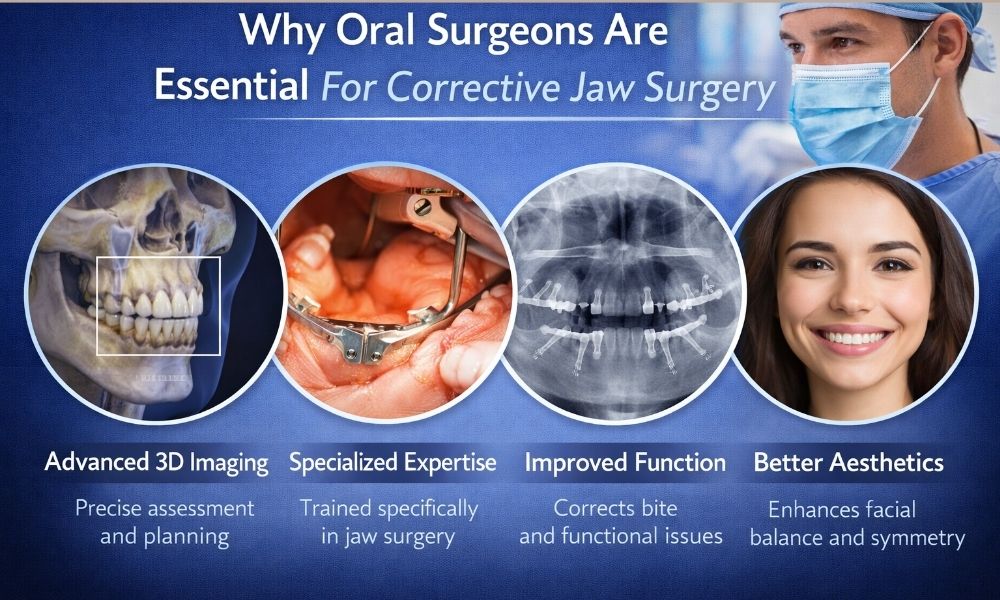
Corrective jaw surgery is a serious step. You trust your face, your bite, and your daily comfort to a team. You need an oral surgeon at the center of that team. An oral surgeon plans your surgery, protects nerves, and works near your airway. This work affects how you chew, speak, sleep, and breathe. It also shapes how you see yourself in a mirror. Many people search for quick fixes or simple braces. Those options cannot move the bone in a safe and stable way. Only an oral surgeon has the training to cut and reposition bone with control. This same training supports complex work such as North Scottsdale dental implants and bone grafts. You deserve steady hands and clear judgment in the operating room. You also deserve honest answers before, and a close follow-up after. That is why an oral surgeon is essential.
What Corrective Jaw Surgery Really Does
Corrective jaw surgery changes how your jaws fit together. It also changes how your teeth meet. Braces alone move teeth. They do not change bone length or position. Surgery can:
- Improve your bite so you can chew without strain
- Open your airway so you can sleep with less blockage
- Balance your face so your jaw and chin match the rest of your features
These changes touch every part of your day. You use your jaw when you eat, speak, yawn, and smile. A small mistake can cause pain or numbness. That is why training and planning matter.
Why Oral Surgeons Have Unique Training
Oral surgeons complete dental school. Then they finish a hospital-based surgery program that often lasts four to six years. Many train side by side with medical residents. You can read more about this path from the American Association of Oral and Maxillofacial Surgeons.
This training covers three core skills.
- Jaw and facial bone surgery
- Anesthesia and sedation
- Management of bleeding, infection, and trauma
You get a surgeon who understands teeth and bone. You also get a doctor who knows how to keep you safe during and after surgery.
How Oral Surgeons Plan Corrective Jaw Surgery
Planning starts long before the operating room. You can expect three steps.
- Careful exam and imaging with X rays and 3D scans
- Joint planning with your orthodontist
- Digital models to test jaw movements
Your surgeon studies your bite, your airway, and your joints. The goal is not only a straight smile. The goal is a jaw that works every day without strain.
Comparison: Oral Surgeon Versus Orthodontist Role
| Task | Oral Surgeon | Orthodontist |
|---|---|---|
| Main focus | Jaws, bone surgery, airway, nerves | Teeth movement and bite alignment |
| Training | Dental school plus surgical residency | Dental school plus orthodontic residency |
| Corrective jaw surgery | Plans and performs the surgery | Prepares and fine tunes tooth position |
| Anesthesia | Provides or directs deep sedation or general anesthesia | Uses local numbing for minor work only |
| Risk management | Handles bleeding, nerve injury, airway issues | Manages tooth movement and braces-related issues |
Both roles matter. You still need the surgeon to move the bone with care.
Protecting Your Airway, Nerves, and Joints
Your jaws sit close to key structures. These include the main nerve to your lower lip and chin, blood vessels, and your breathing space. An oral surgeon understands these risks and works to limit them.
You can expect your surgeon to:
- Plan cuts that avoid major nerves
- Control bleeding with hospital grade tools
- Watch your airway during and after surgery
This focus lowers the chance of lasting numbness or breathing trouble. It also gives you a safer recovery.
How Corrective Jaw Surgery Can Improve Daily Life
Corrective jaw surgery is not only about looks. It can change how you feel each day. The National Institute of Dental and Craniofacial Research explains how jaw problems can cause pain and headaches.
Surgery can help you:
- Chew without pain or early fatigue
- Speak more clearly
- Reduce jaw joint popping and locking
- Sleep with fewer breathing pauses in some cases
These changes can ease stress at work, at school, and at home. You may feel calmer in social settings. You may also need less dental work over time.
What To Expect Before and After Surgery
Before surgery, you meet your surgeon more than once. You review scans. You talk about your goals. You discuss risks, pain control, and time away from work or school.
After surgery, you can expect three stages.
- Early healing in the first two weeks with swelling and a soft diet
- Jaw adjustment over the next one to three months
- Final bite tuning with your orthodontist
Your surgeon checks your healing, bite, and feeling in your lips and chin. You get clear instructions for cleaning your mouth, eating, and returning to normal tasks.
How To Choose An Oral Surgeon
You have the right to ask direct questions. You can ask about:
- Training and board certification
- Number of corrective jaw surgeries done each year
- Hospital or surgery center where your case will be done
- How emergencies are handled
You can also ask to see before and after photos with identities hidden. Real results help you understand likely changes.
Taking Your Next Step
Corrective jaw surgery is a big decision. You do not need to rush. You do need clear facts and a surgeon who treats you with respect. When an oral surgeon leads your care, you gain skill, planning, and safety. You protect your bite, your breathing, and your sense of self. That is the true goal of this surgery.

4 Advantages Of Regular Cpa Consultations Throughout The Year

Why Accounting Firms Are Essential Partners for Global Expansion

5 Ways Orthodontic Services Improve Confidence In Young Patients

Linda Susan Agar: A Visionary Leader Shaping the Future of the Technology Industry 2024

Make1M.com Luxury Watches: Timeless Elegance Meets Financial Freedom

eCrypto1.com Crypto Wallets: The Ultimate Guide to Secure and Efficient Cryptocurrency Storage 2025
-
 CELEBRITY1 year ago
Linda Susan Agar: A Visionary Leader Shaping the Future of the Technology Industry 2024
-
 FASHION1 year ago
Make1M.com Luxury Watches: Timeless Elegance Meets Financial Freedom
-
 CRYPTO1 year ago
eCrypto1.com Crypto Wallets: The Ultimate Guide to Secure and Efficient Cryptocurrency Storage 2025
-

 CELEBRITY1 year ago
The Life and Legacy of Harlow Andrus: A Journey of Heritage and Inspiration 2024
-

 CELEBRITY1 year ago
The Viral “Emiru Handbra” Moment: How It Became a Stunning Social Media Sensation in 2024
-

 FASHION1 year ago
McKinzie Valdez: Journey from Social Media Star to Entrepreneur 2024
-

 CELEBRITY1 year ago
Matt Danzeisen: The Quiet Yet Powerful Figure Behind Peter Thiel’s Success 2024
-

 CELEBRITY1 year ago
Deja Jackson, Ice Cube’s daughter, basketball career, biography 2024